Can You Score an Own Goal from a Free Kick? The Rule
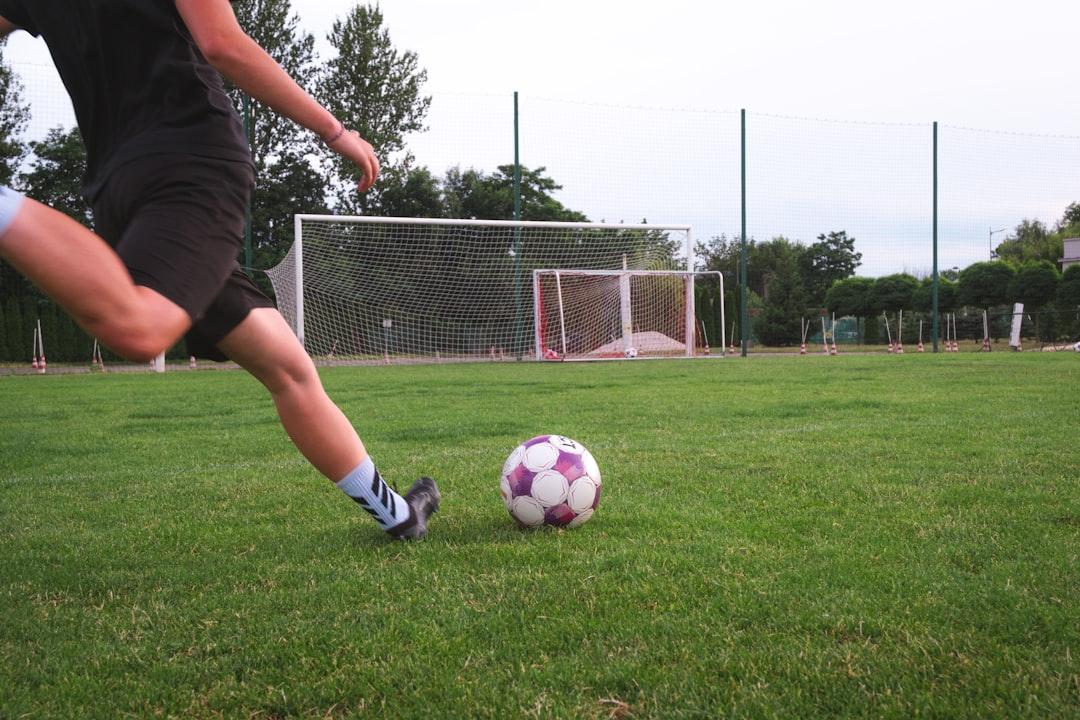
A soccer player striking a free kick on a grassy pitch
Photo by Bohdan Hyrovych on Unsplash
Picture it: your defender mis-hits a free kick clearance, and the ball curls past your own keeper into the net. Surely that's an own goal from a free kick? Actually, no. Under the Laws of the Game, an own goal can never be scored directly from a free kick, so those moments don't count at all.
TL;DR: You can't score an own goal directly from a free kick. If the ball goes straight into the kicking team's own net, the referee awards a corner kick instead.
The Law 13 Rule
The rule sits in Law 13 of the IFAB Laws of the Game, which governs free kicks. It states that an own goal may not be scored directly from a free kick. If the ball goes directly into the kicking team's own goal, play restarts with a corner kick to the opposing team. This applies to both direct and indirect free kicks.
Free Kick Outcomes by Goal
The result depends on which goal the ball enters and the kick type:
- Direct free kick into opponents' goal: Goal.
- Direct free kick into own goal: Corner kick (not a goal).
- Indirect free kick into opponents' goal: Goal kick.
- Indirect free kick into own goal: Corner kick.
So if a set piece is struck into your own net with no other touch, the scoreboard doesn't change — the other team just gets a corner.
The Second-Touch Twist
The loophole is the word "directly." If a free kick enters your own goal after touching another player, an own goal can count. Beware the second-touch rule too: if the kicker touches the ball again before anyone else, the referee awards an indirect free kick to the opposition.
Frequently Asked Questions
Can a goalkeeper score an own goal from a free kick?
No. If a keeper's direct free kick goes straight into their own net, it is not a goal — the referee awards a corner kick to the opposing team.
What if another player touches the ball first?
Then it's no longer "directly" from the free kick, and an own goal can be awarded to whoever last touched it.
Related News