Why Do Players Surround the Referee? Football Explained
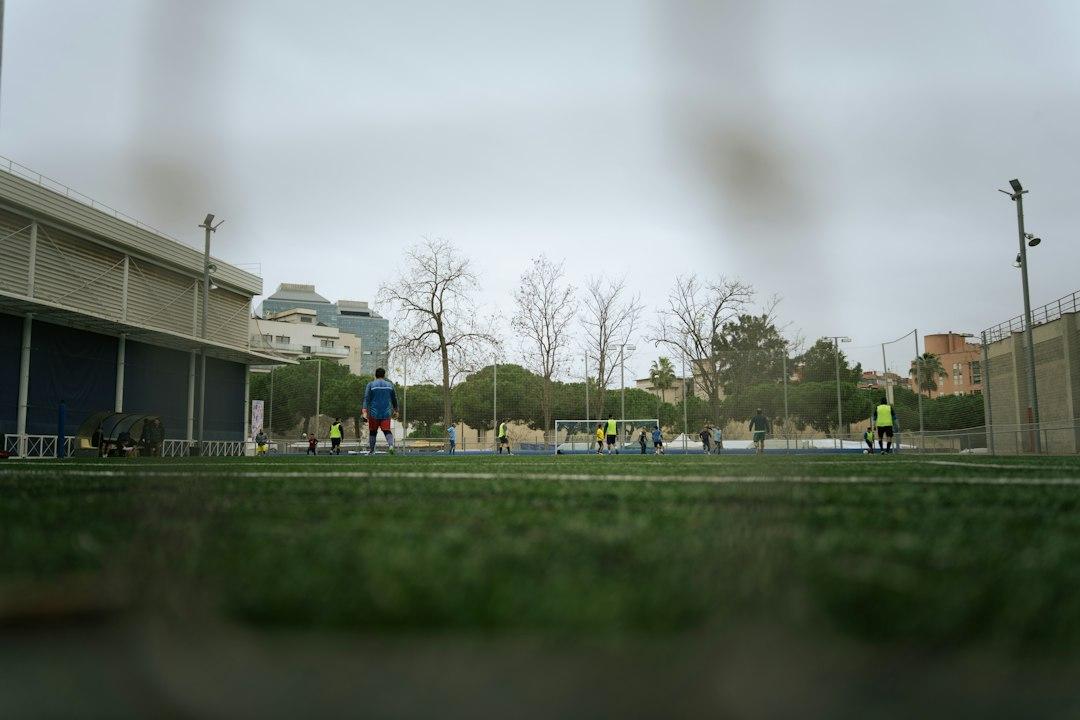
Players gather during a soccer match under cloudy skies
christopher lemercier on Unsplash
One whistle, and suddenly six players are in the referee's face, arms raised, voices loud. If you have ever wondered why do players surround the referee, the answer sits somewhere between raw emotion, pure tactics and a rulebook that has finally started to fight back.
TL;DR: Players mob referees to influence close calls and release tension, but the Laws of the Game now allow bookings for it.
Why Players Surround the Referee
The main reason is pressure. A referee has seconds to make a judgement, and a crowd of shouting players makes the next decision feel heavier. Studies of referee behaviour have long suggested that officials lean slightly toward the home crowd, and players instinctively try to add their own voices to that noise.
There is also raw emotion: a late tackle or disallowed goal sparks adrenaline, and senior players step in as protectors of younger teammates.
The Captaincy Factor
Captains traditionally act as the team's voice. Rather than calming everyone down, they often lead the group — partly to make a point to their bench and supporters as much as to the referee.
What the Laws Actually Say
Referees have wide authority under Law 5 to control the match and manage players' behaviour. Dissent is listed as an indirect free-kick offence in Law 12, and showing dissent by word or action is a cautionable offence.
The problem was enforcement. Book three or four players at once and a referee risks losing control of a tight game. For years, officials warned, gestured and used the captain to restore order instead.
The Crackdown on Referee Mobbing
IFAB, football's law-making body, moved to protect officials by introducing protocols that limit who may approach the referee in heated moments — typically the captain — with opponents who surround the official at risk of a caution. Leagues have backed this with stricter disciplinary codes, and The FA has repeatedly warned that abuse of match officials will be punished at grassroots level too.
Related News