Can a Player Be Offside from a Goal Kick? Explainer
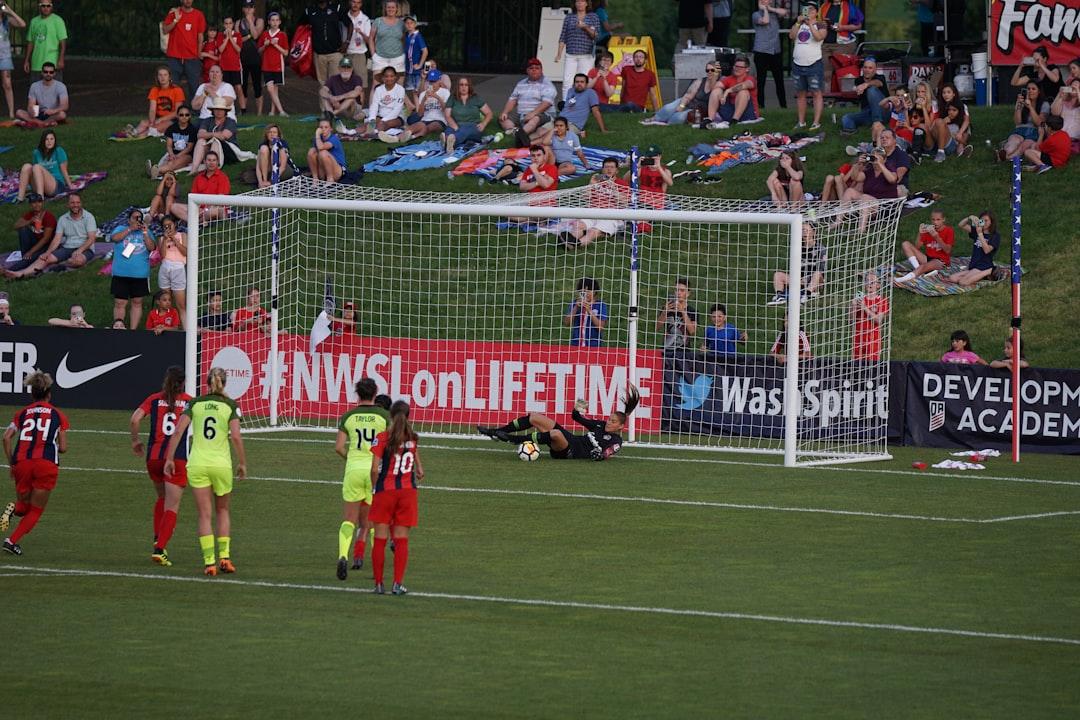
Strikers waiting near the goal during a football match
Photo by Jeffrey F Lin on Unsplash
TL;DR: No. A goal kick is one of the three restarts (along with throw-ins and corner kicks) from which a striker can never be caught offside on the first touch.
Many fans assume every forward pass can trigger an offside flag, but the goal-kick exemption is one of the most misunderstood parts of the football offside rule. Here is what Law 11 actually says.
What the Offside Law Says
Under Law 11 of the Laws of the Game, a player in an offside position is not penalised if they receive the ball directly from a goal kick, a throw-in, or a corner kick. In plain terms, when a goalkeeper restarts the game from the six-yard box, attackers are free to stand wherever they like in the opposition half — even right on the goal line — without the assistant referee's flag being raised.
This matches how offside is taught in most football rule guides: being in an offside position only becomes an offence when the ball is played by a teammate in open play.
Why the Exemption Exists
Goal kicks are treated as free restarts because the ball is played from a dead-ball situation deep in defence. Penalising a striker for holding an advanced position while the keeper launches the ball forward would feel unfair, since it isn't part of an active attacking move.
When Offside 'Turns Back On'
Here is the nuance most fans miss: the exemption covers only the first touch directly off the goal kick. The moment any player — teammate, defender, or the opposition keeper — touches or plays the ball next, the normal offside rules apply again.
If a striker latches onto a long goal kick, lays it off, and a teammate then slips them in behind the defence, they can certainly be flagged offside on that second pass. The restart 'reset' has ended.
Common Confusions
- A striker standing on the goal line during a goal kick cannot be offside.
- But if they are offside on the pass that follows the restart touch, the flag goes up.
- Throw-ins and corners enjoy the same blanket exemption; free kicks and open play do not.
Related News