What Is Passive Offside in Soccer? FIFA Rule Explained
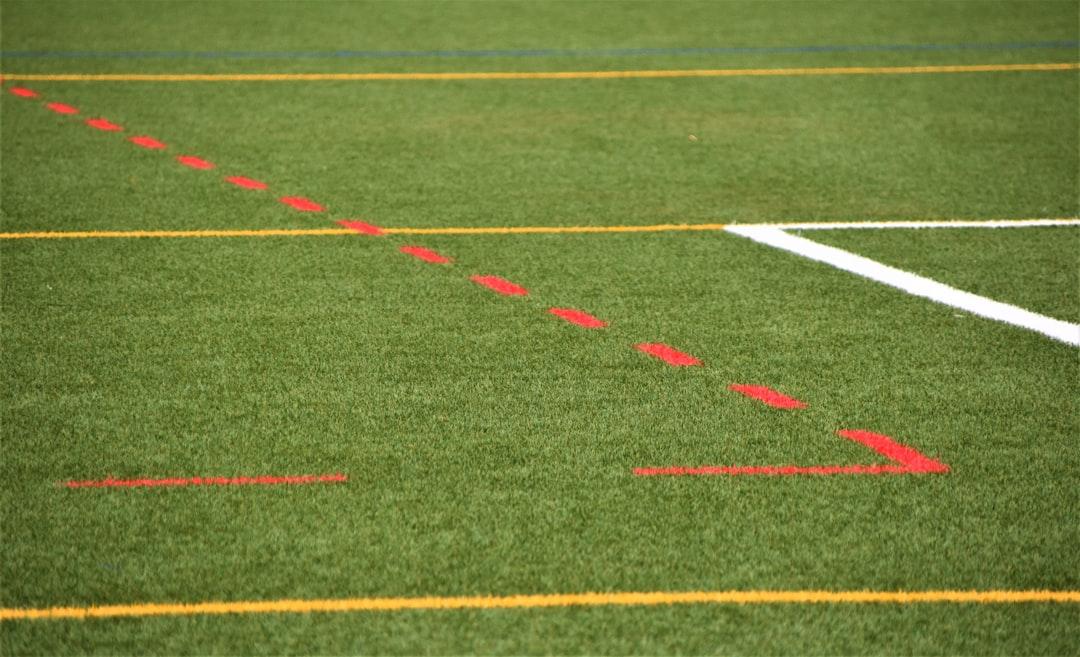
A football pitch with painted lines, where offside position is judged
Waldemar Brandt on Unsplash
Few moments frustrate fans more than a striker standing in an offside position while the ball stays elsewhere, and no flag goes up. That is passive offside at work — and thanks to Law 11 of the Laws of the Game, it is not actually an offence.
TL;DR: A player is only penalised for offside when they become involved in active play; simply standing in an offside position is passive and play continues.
Why Being Offside Isn't Automatically a Foul
As the IFAB laws make clear, "it is not an offence to be in an offside position." A referee only whistles when an offside player becomes involved in the action by interfering with play, interfering with an opponent, or gaining an advantage.
The famous line: an attacker who does not touch the ball and does not block a defender is not flagged. That is the essence of passive offside.
When Does a Passive Player Become Active?
An offside player turns passive offside into an offence once they:
- Play or touch the ball from a team-mate's pass
- Clearly obstruct an opponent's line of vision
- Challenge an opponent for the ball
- Make an obvious action that affects an opponent's ability to play
The moment a passive player chases the pass and interferes, the assistant referee raises the flag.
Real-World Examples
Picture a winger hugging the far post while the ball is crossed short. If they never touch it and stay out of the keeper's eye line, the goal stands. But if that same winger dummies the ball or blocks the defender's run, the goal is ruled out.
What About "Gaining an Advantage"?
A player who rebounds a shot off the post or a deflection straight into an offside teammate is penalised — that is considered gaining an advantage, as Wikipedia's offside guide explains.
So next time the flag stays down, check the attacker's involvement. Passive offside keeps football flowing — and spares us yet another stop in play.
Want to debate a marginal offside call with other fans in real time? Join the conversation on — the social network built for football fans.
Related News