What Happens If a Goalkeeper Holds the Ball Too Long?
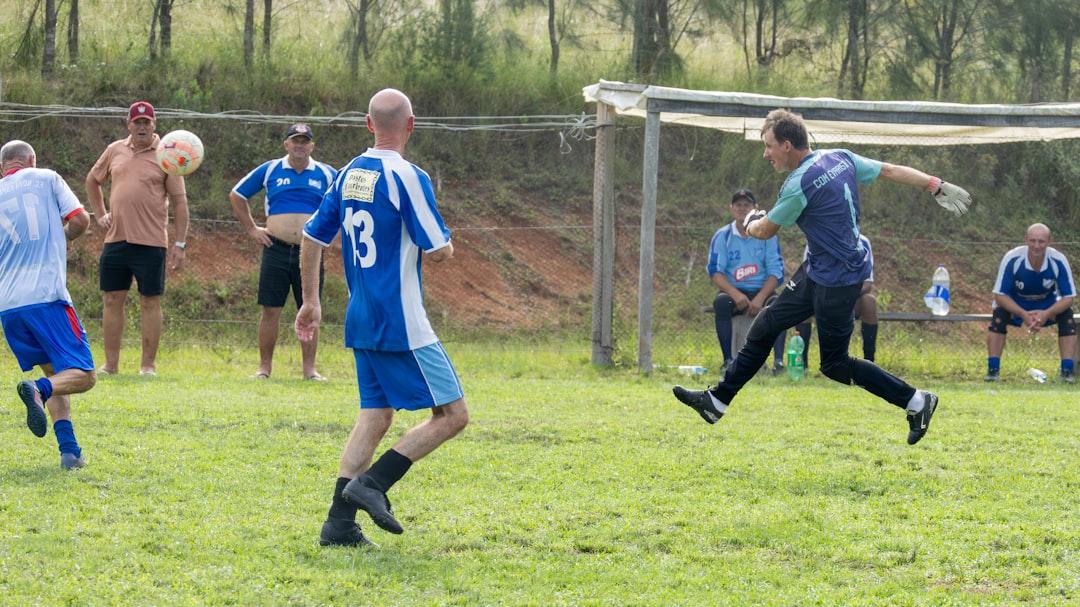
A goalkeeper prepares to release the ball during a soccer match
Photo by Matheus Protzen on Unsplash
Ever watched a keeper grab the ball, stroll around, and stall play? What happens if a goalkeeper holds the ball too long? Under the Laws of the Game there is a precise answer, even if referees rarely enforce it.
TL;DR: If a goalkeeper holds the ball for more than six seconds, the referee awards the opposition an indirect free kick from the spot of the offence.
The Six-Second Rule Explained
Law 12 of the IFAB Laws of the Game says a keeper controlling the ball with their hands inside their penalty area must release it within six seconds. The clock starts once the ball is secure in both hands, applying to any hand possession from saves, catches, and back-pass controls.
What Is the Punishment?
- The restart is an indirect free kick to the opposing team.
- It is taken from the spot where the offence happened — usually on or inside the six-yard box.
- No card is shown for the holding itself.
Why Indirect Free Kicks Inside the Box Are Tricky
So close to goal the ball cannot go straight in — another player must touch it first, so defenders pack the goal line.
Why You Rarely See It Called
Top referees are famously lenient. Most count to six, hold up a hand, and shout "play" rather than whistle. The offence is usually only given after repeated time-wasting, typically late on when a keeper is protecting a lead.
Does Re-Holding After Releasing Matter?
Yes. Re-touching with hands after release, before another player does, is a separate indirect free kick — and the count restarts every pick-up.
Frequently Asked Questions
Is there a card for holding the ball too long?
No. Time-wasting can bring a yellow card, but the holding itself only draws an indirect free kick.
Can the keeper be penalised more than once?
Yes, each separate holding can produce its own indirect free kick.
Related News