What Does Advantage Mean in Soccer? Referee Rule Explained
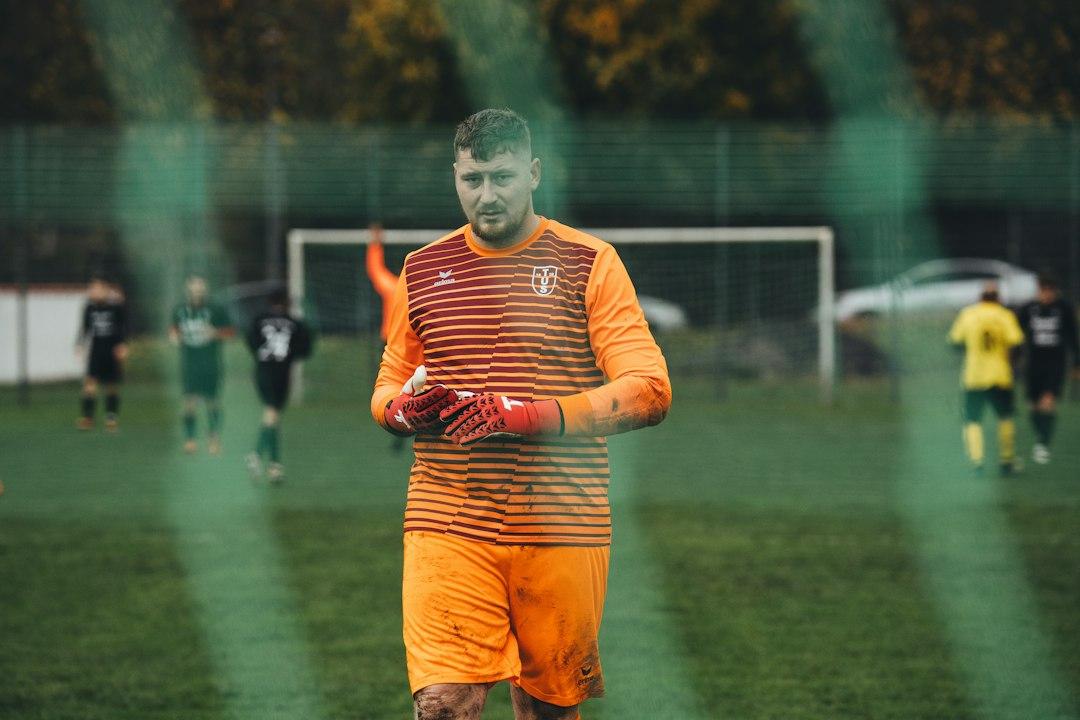
A referee stands on the pitch before a match
Omar Ramadan on Unsplash
You've seen it a dozen times: a midfielder is clattered, the crowd roars for a free kick, and the referee simply waves both arms forward. That is the advantage rule in soccer — one of the most misunderstood tools a referee has.
TL;DR: Advantage means the referee lets play continue after a foul because the fouled team is better off attacking than taking a free kick — but they can pull it back within a few seconds.
What the Laws Actually Say
Law 5 of the IFAB Laws of the Game states the referee "allows play to continue when an offence occurs... and the opposing team will benefit from the advantage." If that advantage doesn't materialise, the referee can penalise the original offence — but only "at that time or within a few seconds."
In practice, the referee raises one or both arms to signal advantage. Play carries on. The referee is effectively saying: your chance to attack is better than my whistle.
When Referees Play the Advantage
- Counter-attacks: A foul in midfield with three attackers sprinting forward? Wave it on.
- The ball reaching a better position: A foul on the wing, but the ball rolls to an unmarked striker — no whistle needed.
- Tactical fouls: Letting play continue denies the offender a chance to reset his side's shape.
The Catch: Serious Offences Still Count
Advantage is not a free pass. The referee must return to book or send off the offender at the next stoppage — and per Law 12, a player guilty of serious foul play or violent conduct is still dismissed even if advantage is played. Conversely, a player is not cautioned twice for the same challenge.
Why Fans Get Frustrated
The grey area is the timing. How long is "a few seconds"? A ref who waits too long and then pulls play back can leave fans furious — especially when the attacking side had a shot blocked. Officials are told to consider the tactical impact, not just possession.
It is a judgement call made at full speed, and it is exactly the kind of decision fans love to argue about.
Disagree with a ref's advantage call? Vent about it in real time on — the social network built for football fans.
Related News