Why Do Soccer Players Wear High Socks? Explained
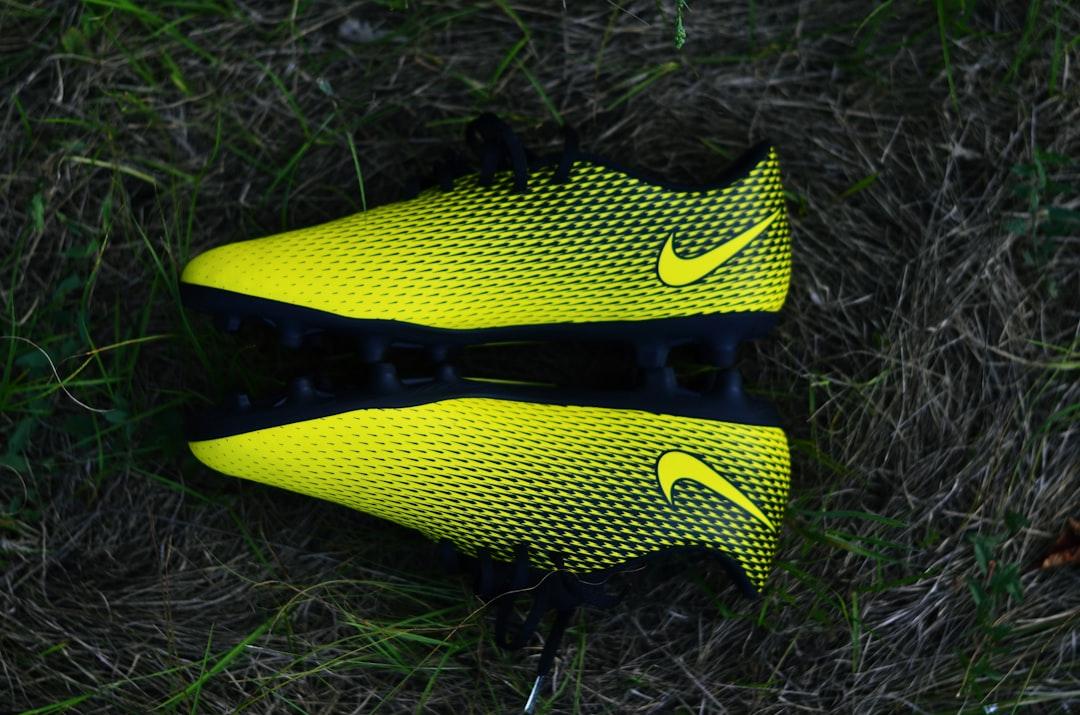
Pair of soccer boots and socks ready for a match
Andriy Poliezhaiev on Unsplash
Next time you watch a match, look at the socks — they reach almost to the knee. That isn't a fashion trend. Soccer players wear high socks for a handful of practical, performance-driven reasons that date back decades.
TL;DR: High socks cover mandatory shin guards, add calf compression for blood flow, help hold grip socks in place and protect against tackles.
The Rules Make Socks Compulsory
According to the IFAB Laws of the Game (Law 4) and detailed in the Wikipedia kit guide, every player must wear shin guards that are completely covered by the socks. High socks exist because that's the simplest way to keep the hard plastic guards firmly in place and legal.
Shin Guard Protection
Shin guards protect against crunching tackles, and the sock's job is to hold them tight to the leg. Pull the sock up and the guard stays put for a full 90 minutes.
Compression and Blood Flow
Football socks aren't plain cotton — most are tight, breathable compression socks that hug the calf. This gentle pressure improves blood circulation, which can reduce muscle fatigue and cramping during long matches, especially for midfielders who run the most.
Grip Socks and Blister Prevention
Many pros now wear specialist grip socks (like anti-slip styles popularised by brands such as TruSox) inside their boots. These help stop the foot sliding inside the boot, reducing blisters and improving feel on the ball. High socks keep this second layer secure.
Protecting the Leg in Tackles
The raised sock also offers a thin extra layer of protection against scrapes, stud scrapes and turf burns when you slide in for a tackle. It's not armour, but it helps.
Frequently Asked Questions
Are high socks mandatory in soccer?
Yes. The Laws of the Game require shin guards to be covered entirely by socks.
Why do players cut holes in their socks?
Some cut holes to ease pressure on tight calves while keeping grip socks underneath.
Do long socks help performance?
Related News