Why Do Soccer Players Wear Cleats? Grip & Safety
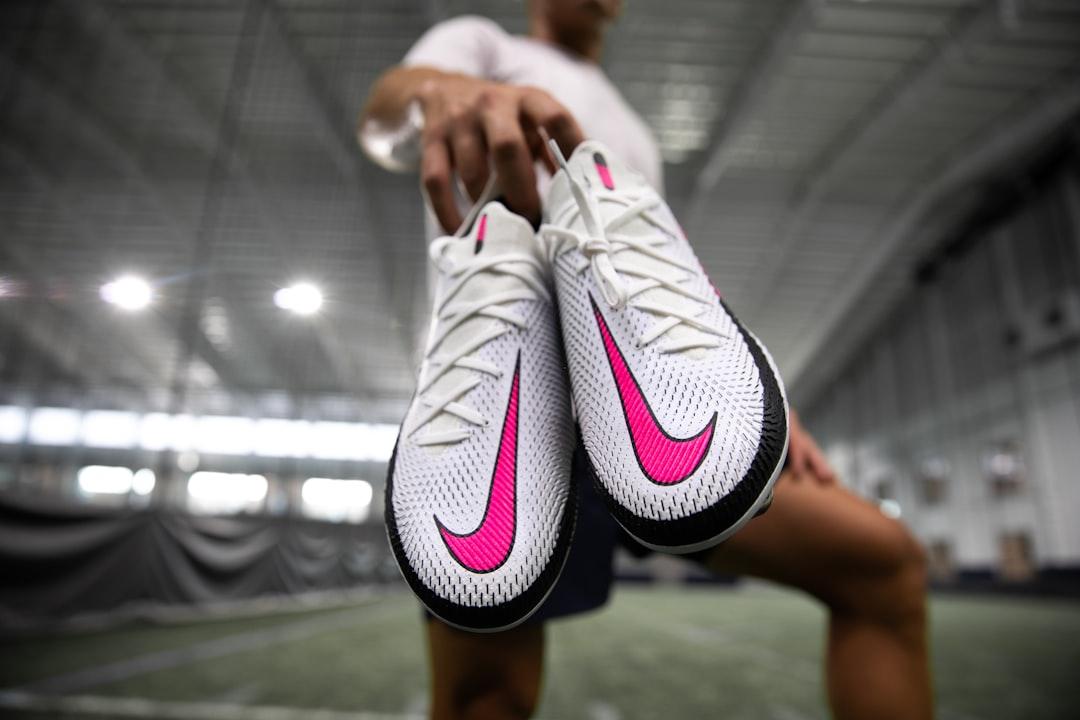
A pair of Nike football boots resting on grass
Photo by Dlanor S on Unsplash
Ever watched a match on a slippery pitch and seen players sprint and turn without sliding over? The secret is under their feet. Soccer players wear cleats — called studs or football boots in most of the world — to grip the grass and stay balanced at full speed.
TL;DR: Soccer players wear cleats because the studs on the sole bite into the turf, giving them the traction to sprint, turn sharply and keep balance in wet conditions.
What Exactly Are Soccer Cleats?
Cleats are the studs or blades on the underside of a football boot, made in conical or blade shapes from plastic, rubber or metal. They stick into soft grass, like golf spikes, stopping your feet sliding out when you plant them to accelerate or change direction.
Boots vs Cleats: Same Thing
In North America you say "cleats." In most of the football world, it's "boots." Same gear, different name. The type you wear depends on the pitch:
- FG (Firm Ground) — standard studs for natural grass
- AG (Artificial Ground) — shorter studs for turf
- SG (Soft Ground) — longer, often metal studs for muddy pitches
Three Reasons Footballers Need Them
- Traction — studs anchor into the turf so players can sprint, stop and twist without slipping.
- Safety — better grip means fewer slips, falls and joint injuries on soaked pitches.
- Control — a stable base helps with precise touches, passes and powerful shots.
A History Stretching 500 Years
Football boots date back to 1526, when England's King Henry VIII ordered a hand-stitched pair. They were thick leather with metal studs for grip. Today's boots are lightweight and synthetic, but the core idea of studs for traction has not changed.
Does Pitch Type Matter?
Yes. Wet or muddy pitches demand longer soft-ground studs, while firm grass or turf calls for shorter, rounded options. Wrong cleats can mean poor grip and a higher injury risk.
Frequently Asked Questions
Why are football shoes called boots?
Because early versions were high-topped and covered the ankle. Source
Related News