Why Do Soccer Players Wear Armbands?
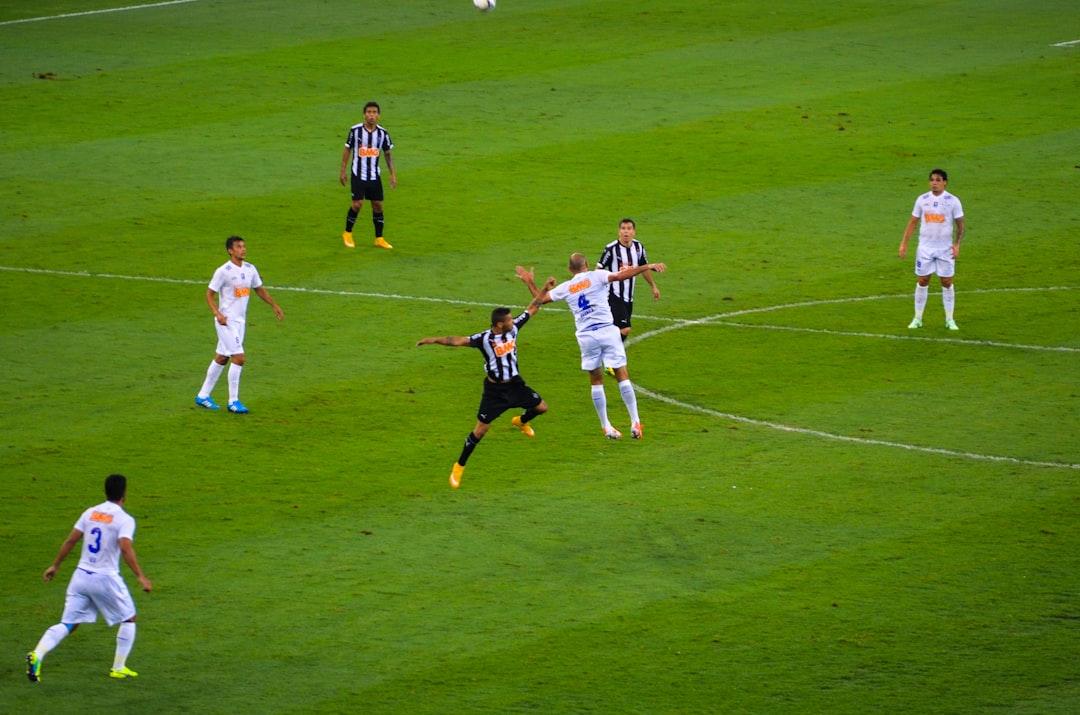
Soccer players competing on a green pitch during a match
Weigler Godoy on Unsplash
You have seen players walk out with a coloured band wrapped around their upper arm, but have you ever wondered why soccer players wear armbands? The band is far more than a fashion choice — it tells you who leads the team, who carries the club's history, and sometimes what cause the squad is championing that week.
TL;DR: Soccer players wear armbands to mark the captain, honour tributes and anniversaries, and raise awareness for social causes.
The Captain's Armband
The most common reason is leadership. The captain of each team wears a distinct armband, usually in a contrasting colour to the shirt, so players, referees and fans can instantly spot the leader on the pitch.
What a captain does
- Talks to the referee during big decisions
- Represents the team in the coin toss
- Motivates and organises teammates
- Leads the huddle before kick-off
The band is passed to a vice-captain if the skipper is substituted or injured. According to the Premier League's official site, the armband is a badge of responsibility, not just decoration.
Tributes and Appreciation
Armbands often become emotional symbols. Teams regularly wear black armbands to honour a former player, manager or supporter who has passed away, or to mark tragedies and remembrance days. A simple black band is football's universal sign of respect.
Raising Awareness
In recent seasons, bands have carried rainbow colours during Pride campaigns and special designs for campaigns such as mental health or anti-racism initiatives. These are coordinated by leagues and shirt makers to send a visible message to global audiences.
Frequently Asked Questions
Does every player wear an armband?
No — usually only the captain and vice-captain do, along with the referee for official duties.
What colours are armbands?
They vary: blue, yellow, black or team-specific, and rainbow for Pride.
Can a goalkeeper captain a team?
Yes, many clubs, such as Bayern Munich's Manuel Neuer, have had goalkeepers as captains.
Armbands are a small band with a big story. Want to chat about your club's captain and armband traditions in real time? Join the conversation on — the social network built for football fans like you.
Related News