Why Do Soccer Players Swap Jerseys After a Match?
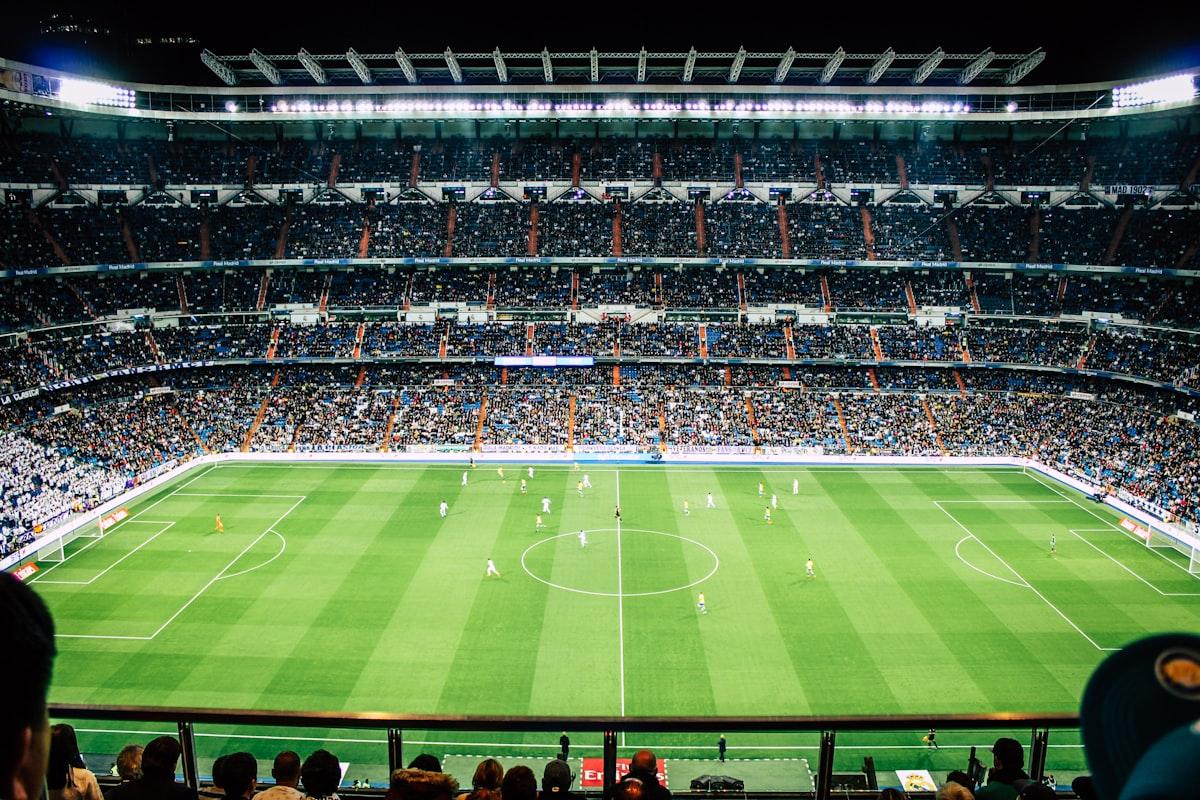
A professional football pitch under the stadium lights
Thomas Serer on Unsplash
Few images feel more like football than two players trading shirts and sharing a handshake after 90 hard minutes. But why do soccer players swap jerseys after a match? The gesture is part history, part respect, and part ritual.
TL;DR: Players swap shirts to show mutual respect after an intense match — a tradition that became iconic on the 1970 World Cup stage.
A Tradition Born on the World Stage
The most famous early shirt swap came after Brazil's 1970 World Cup final win over Italy, when Pelé and Gigi Riva exchanged jerseys in a moment of pure respect. The image helped turn shirt-swapping into a global ritual. The Ronaldo–David Beckham swap in 2002 cemented it for the modern era.
More Than a Souvenir
Mutual Respect
After 90 minutes of tackles, trading shirts says: you pushed me and I respect you. High-profile swaps often follow physical, memorable encounters.
A Player-to-Player Gift
Shirts aren't bought by players — they're issued by clubs. Many stars collect rivals' jerseys as keepsakes, just as fans collect merchandise.
The Unspoken Rules
Etiquette Matters
You ask first, ideally near the tunnel. Swapping in the middle of the pitch without asking is seen as pushy, and refusing once asked is considered rude.
Clubs Can Say No
Clubs often discourage swaps with fierce rivals for brand reasons. Away sides are usually more open to swapping, since they're far from their own fans.
Auction Value
Match-worn shirts from legends can sell for thousands at auction, and players often auction swapped shirts for charity.
Frequently Asked Questions
Is swapping shirts against the rules?
No, it's fully allowed, though some clubs set internal guidelines.
Do players swap with the same number?
Sometimes, but not always. It's about respect, not matching numbers.
Are swapped jerseys washed?
Players typically receive clean kits after the match; swapped shirts are usually new or second-half kits.
Love talking football traditions with fellow fans? Debate jersey swaps and more on Sportigon — the social network built for football fans like you.
Related News