Why Is the World Cup Every Four Years?
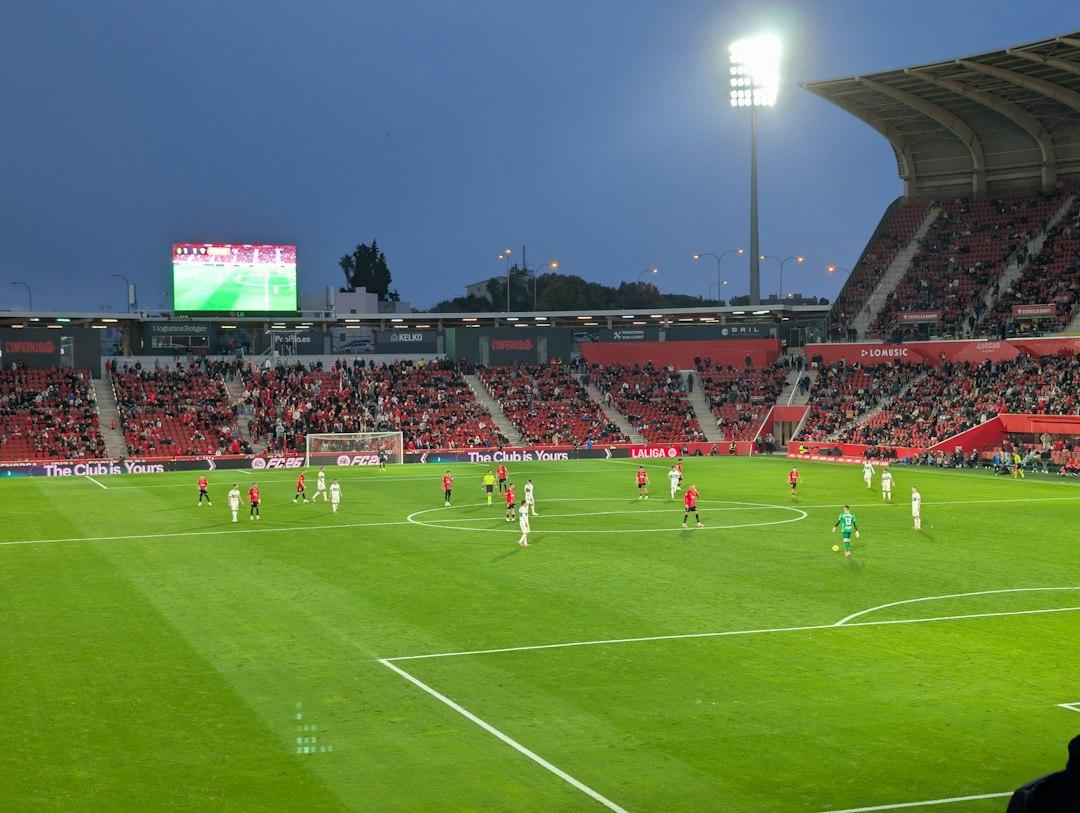
Soccer game in progress at a stadium at dusk
David Vives on Unsplash
TL;DR: The World Cup is held every four years because FIFA fixed that cycle in 1930, and it still gives every nation time to qualify, players time to recover, and the tournament a sense of rarity that keeps it special.
When you watch the world's biggest sporting event, you might assume the schedule is set in stone. It isn't. The answer to "why is the World Cup every four years?" starts with one man: Jules Rimet, the FIFA president who launched the first tournament in 1930. Since then, the competition has run on a four-year rhythm, broken only by World War II, which wiped out the 1942 and 1946 editions.
The Four-Year Cycle and the Qualifying Calendar
The gap exists because qualifying itself takes roughly three years. Around 200 nations compete across confederations to earn a place, and that marathon simply could not fit into a shorter window.
- Time to qualify: a three-year qualifying phase followed by a month-long finals.
- Player recovery: clubs and players need breathing room between domestic seasons.
- Global attention: a rare event draws bigger audiences and more anticipation.
Why Rarity Matters
Scarcity creates value. Because it only comes around every four years, the World Cup feels like a genuine festival rather than a routine fixture. The 2022 edition drew engagement from an estimated five billion people, and the final alone was watched by around 1.5 billion — numbers that depend heavily on the build-up.
Why Not Every Two Years?
FIFA has repeatedly explored a biennial World Cup, most notably a proposal pushed by former president Gianni Infantino's administration. Critics — including UEFA, clubs and player unions — argued a two-year cycle would overload the calendar, dilute the tournament's prestige and threaten player welfare. So far the four-year tradition has survived every challenge.
A Rhythm Built on Balance
The four-year World Cup cycle balances three competing needs: enough time to qualify worldwide, enough recovery for players, and enough rarity to make the whole planet stop and watch. That balance is why the formula has lasted almost a century.
Related News