Why Do Soccer Players Spit Out Water? The Truth
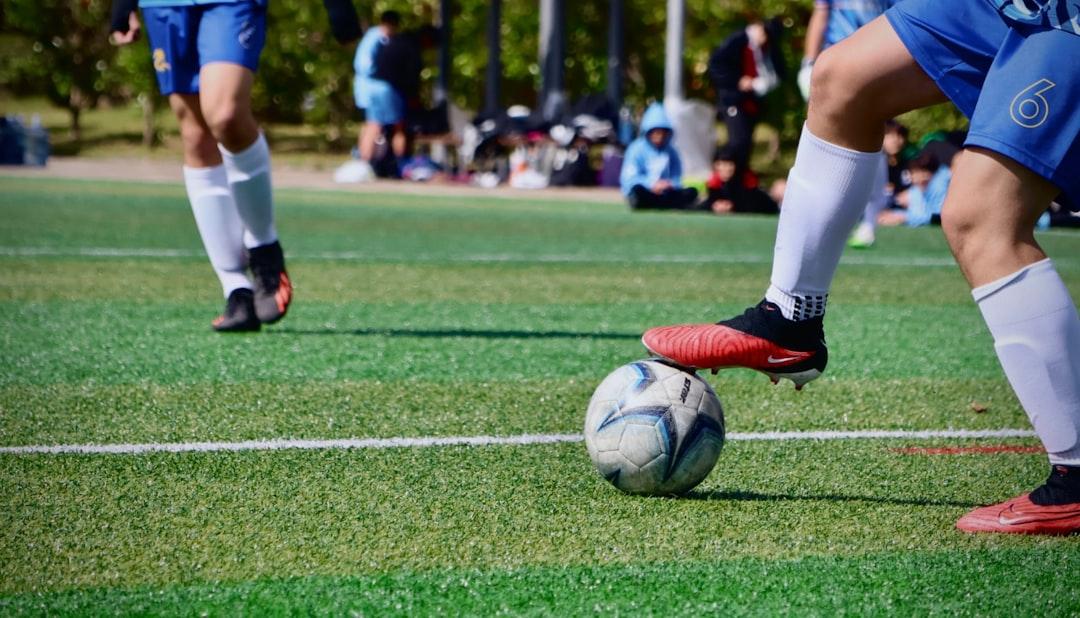
Players kicking a soccer ball during a match
Photo by HorseRat on Unsplash
Ever watch a match and wonder why soccer players spit out water seconds after drinking it? It looks like a waste, but for most pros that mouthful isn't plain water at all — it's often a carbohydrate rinse, and the science says it genuinely helps performance.
TL;DR: Players mostly spit out carbohydrate sports drinks (not plain water) because rinsing carbs in the mouth sends a fast signal to the brain that boosts pace and focus — without the stomach cramps of swallowing.
What's Actually in the Bottle
Many clubs mix sports drinks or carbohydrate gels into the bottles on the touchline. When a player rinses and spits, they're tapping into a well-researched effect: the mouth has receptors that detect carbs and tell the brain within seconds, even before anything reaches the stomach.
The carbohydrate mouth rinse effect
Studies on endurance exercise show a carbohydrate mouth rinse can improve sprint power and reduce perceived effort. The sports nutrition research behind carb intake explains why athletes rely on it late in games.
Why Spit Instead of Swallow?
- Avoid stomach trouble — swallowing a full gel mid-match can cause bloating or cramps.
- Faster signal — the brain reacts to a rinse in seconds.
- Overhydration flush — in heat, players sometimes rinse plain water just to cool down and spit rather than add excess fluid.
Is Plain Water Ever Spit?
Yes. On hot days players rinse water to clear dry mouths and cool the face, then spit so they don't feel bloated while running. But the famous "spit" in stoppage time is usually the carb rinse doing its job.
Does It Actually Work?
Research is mixed on the exact size of the benefit, but many sports scientists back mouth rinsing during high-intensity efforts. It's why you'll see substitutes and exhausted midfielders swill and spit in the final 20 minutes.
Frequently Asked Questions
Why do players spit out the drink instead of swallowing?
Swallowing a carb-heavy gel can cause stomach cramps during running, while rinsing gives a fast brain boost with no digestion needed.
Related News