Why Do Soccer Players Flop So Much? The Real Reasons
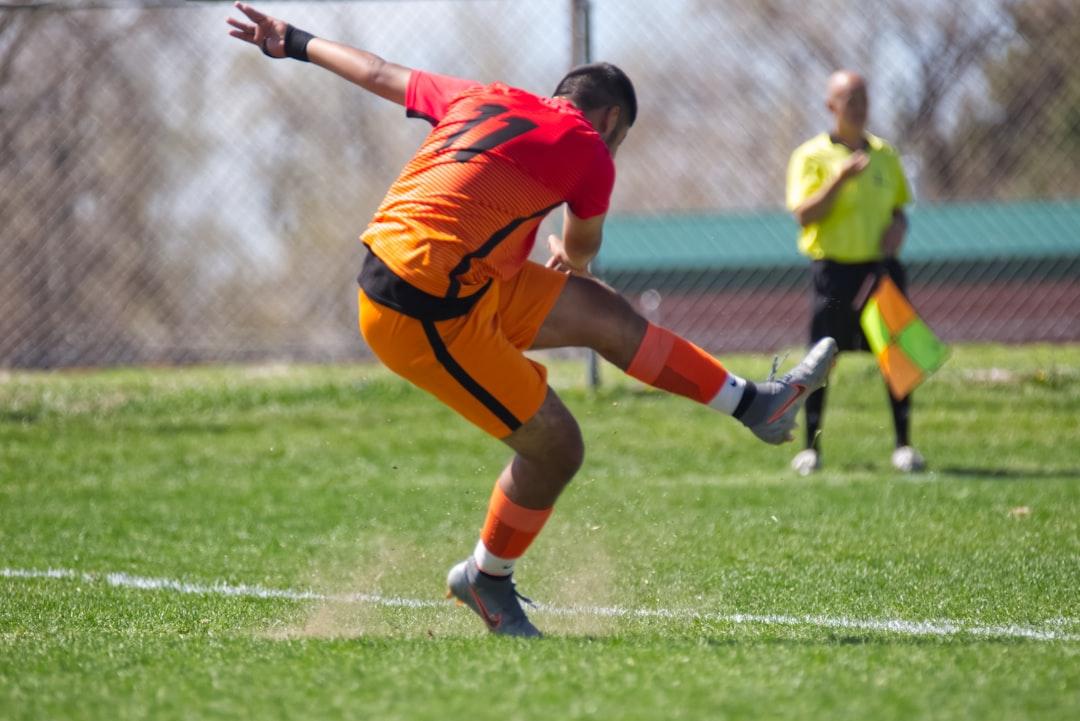
A soccer player in action on a green pitch during a match
Photo by Acton Crawford on Unsplash
If you've ever watched a player tumble with barely a touch, you've asked: why do soccer players flop so much? Officially called simulation by FIFA, flopping is an attempt to win an unfair advantage — usually a free kick, penalty, or a yellow card against the opponent. It's one of the game's most controversial habits.
TL;DR: Players flop to win free kicks, penalties, or opponent bookings — treating contact as something to exploit rather than resist.
The Tactical Payoff
In modern football, the reward often outweighs the risk. A penalty or a dangerous free kick can decide a match, so some players exaggerate contact to force a decision. Fouls in the box or near the byline are especially tempting targets.
Winning a Booking
Drawing a foul can also get an opponent booked, removing their edge for the rest of the game. This is why flopping often happens during tackles on the counter-attack.
How Referees and VAR Catch It
A 2009 study identified tell-tale signs of a dive: a delay between contact and the fall, motion that contradicts the momentum of the tackle, and the "archer's bow" pose — head back, chest out, arms raised. Refs watch for these cues, and video review now catches many dives after the whistle.
The Rules: Simulation Is a Bookable Offence
The Laws of the Game state that attempting to deceive the referee by feigning injury is unsporting behaviour, punishable by a yellow card. In 2009, UEFA famously banned Arsenal's Eduardo for a dive in a Champions League qualifier, though the ban was overturned on appeal. Modern VAR offside checks and simulation reviews make deliberate flopping increasingly costly.
Frequently Asked Questions
Is flopping illegal in soccer?
Yes. Simulation — pretending to be fouled — is misconduct punishable by a yellow card under the Laws of the Game.
Related News