Why Do Soccer Players Fake Injuries? Simulation Explained
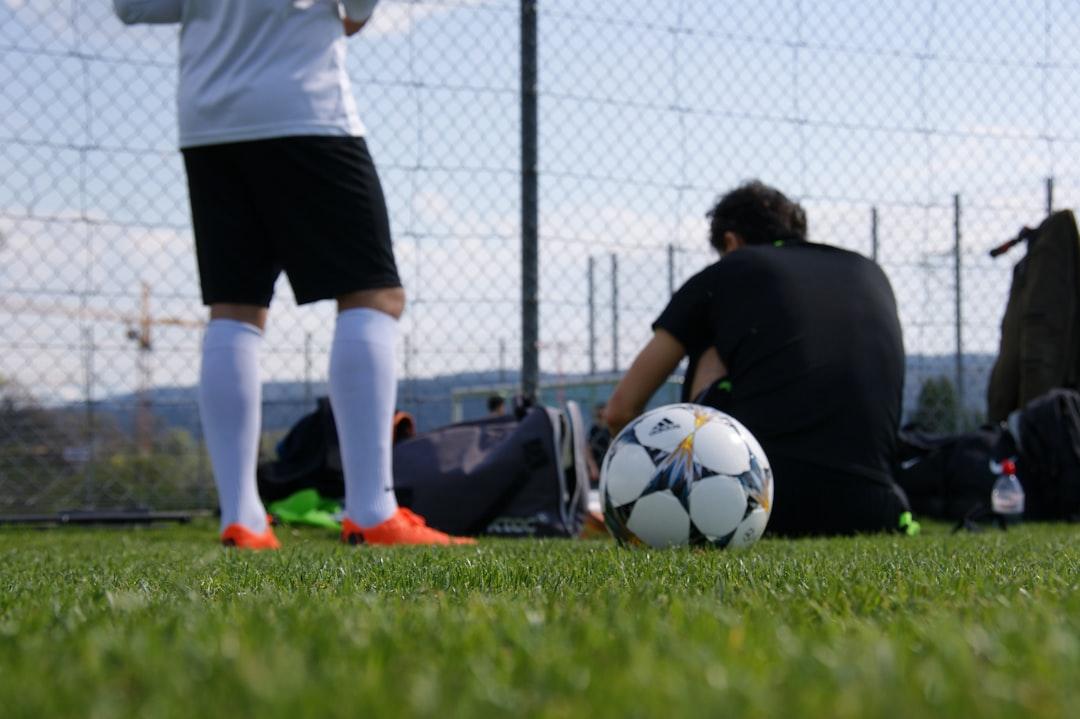
A soccer player in mid-action on the pitch during a match
Mahan Turga on Unsplash
Few things frustrate fans more than a soccer player faking an injury, hitting the turf clutching a leg, and leaping up moments later. Officially called simulation by FIFA, it is diving's most theatrical form — at every level of the game.
TL;DR: Players fake injuries to win free kicks, penalties, or an opponent's booking, because the rewards outweigh the risk of getting caught.
Why Do Players Do It?
Faking injury is a calculated gamble for an unfair advantage. The main goals:
- Win a penalty or free kick in or near the box — the highest-value prize in football.
- Get an opponent booked or sent off, leaving the other team at a numerical disadvantage.
- Exaggerate minimal contact to make a fair challenge look like a foul.
In 2009, UEFA banned Arsenal's Eduardo over a penalty won against Celtic after video showed little contact — a sign of how seriously authorities treat it.
What Are the Signs of a Dive?
Referees look for tell-tale clues. A 2009 study highlighted the "archer's bow": head back, chest out, legs kicked high. Other red flags are a delayed reaction, falling too far from the challenge, and nursing a body part never touched.
What Does the Law Say?
Under the Laws of the Game, feigning injury is unsporting behaviour — a yellow card. Since 2017, the English FA has gone further, charging players with "Successful Deception of a Match Official" after review, leading to two-match bans.
Is It Always Deliberate?
Not always. Contact is often genuine but minor, and players exaggerate it to protect themselves or draw attention to a real foul. Distinguishing a dive from a real foul is usually subjective — exactly why the debate rages on.
Related News