Why Do Soccer Players Dive? Simulation Explained
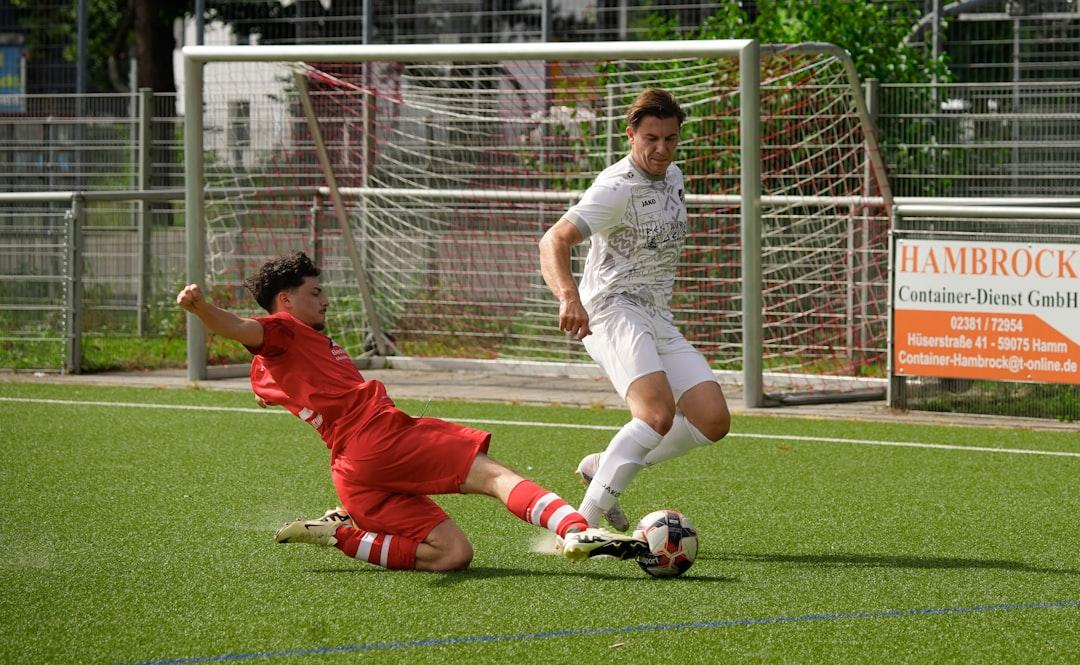
Two footballers challenging for the ball during a match
Photo by Omar Ramadan on Unsplash
Few things enrage football fans more than a player collapsing like they've been shot when there was barely any contact. But why do soccer players dive in the first place? It's not random — simulation is calculated, tactical, and often brutally effective.
TL;DR: Soccer players dive to win free kicks, penalties, or get opponents carded — small decisions that can swing a match's outcome.
The Stakes Are Huge
A single penalty or free kick can decide a title, a derby, or a relegation battle. When the reward is that massive, players often gamble that the referee won't catch them. According to FIFA's Laws of the Game, simulation — feigning injury or pretending to have been fouled — is "unsporting behaviour" and is punished with a yellow card. But the potential payoff usually outweighs the risk.
How Referees and Fans Spot a Dive
A 2009 study in the Journal of Sports Sciences identified recognisable tells. The classic "Archer's bow" — head tilted back, chest thrust forward, arms raised and both legs off the ground — is a hallmark of simulation because it's counter to normal reflex reactions. Referees also look for a delay between the impact and the fall, plus players nursing a body part that wasn't actually touched.
Does It Actually Get Punished?
Sometimes. In 2009, UEFA handed Arsenal striker Eduardo da Silva a two-match ban for a dive against Celtic in a Champions League qualifier — one of the first high-profile post-match punishments for simulation. Video review has made diving riskier, but subjectivity remains a huge problem. Deciding whether contact was truly a foul is still one of football's most controversial grey areas, as BBC Sport regularly covers.
Frequently Asked Questions
Do players get booked for diving?
Yes. Under the Laws of the Game, simulation is unsporting behaviour and carries a yellow card if the referee spots it.
Is diving the same as flopping?
Flopping is the North American term for the same act — falling to exaggerate contact to win a call.
Why do some dives look so dramatic?
Players exaggerate contact to make sure the referee notices the foul. Subtle falls often get ignored.
Related News