Own Goal From a Free Kick? Here's What Happens
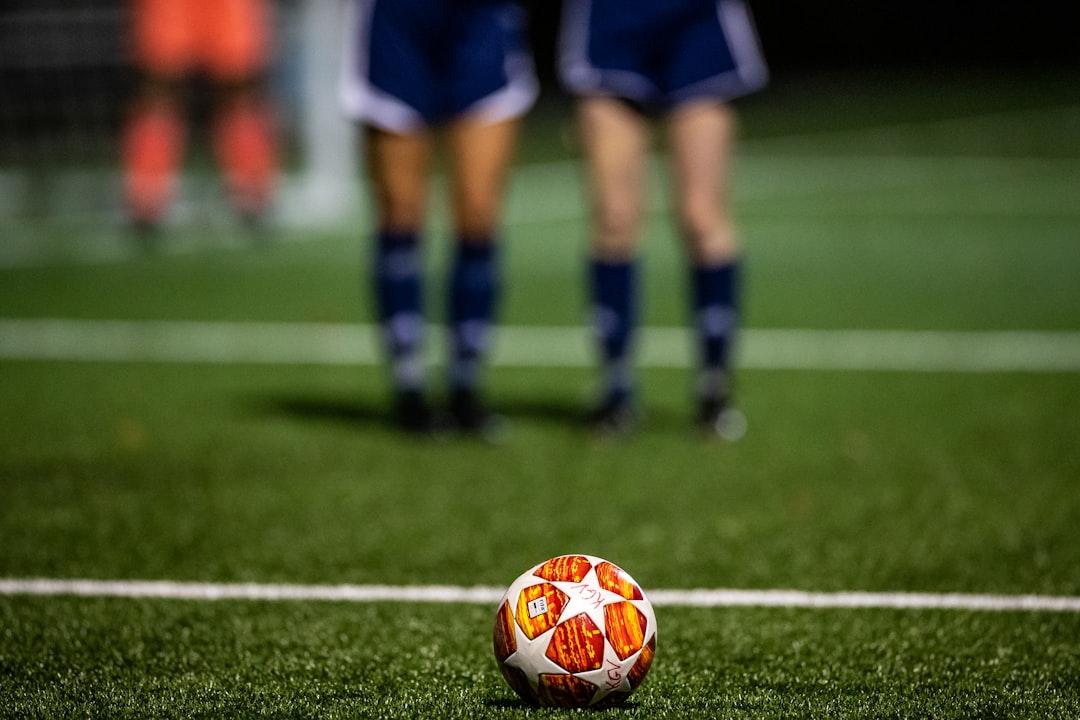
Defenders lining up in a wall before a free kick
My Profit Tutor on Unsplash
You cannot score an own goal directly from a free kick in football. If a defender somehow turns a direct or indirect free kick into their own net, the referee does not award a goal — instead, the opposing team receives a corner kick. It's one of the trickiest rules in the Laws of the Game.
TL;DR: The ball can't score an own goal directly from a free kick; a corner kick is awarded if it enters the kicker's own goal.
The Exact Law
This rule sits in Law 13 (Free Kicks) of the IFAB Laws of the Game. It states that if a direct or indirect free kick is kicked directly into the team's own goal, a corner kick is awarded to the opposition. The same logic applies to the kick-off, goal kick, throw-in, corner kick, and dropped ball — the ball can never score directly against the team taking it. The FA outlines Law 13 in full here.
Why the Rule Exists
The intent is simple: a restart is meant to help the side taking it, not punish them. Since 2016 these restart rules were formalised so a mistake at a restart can't gift the other team a goal without a second touch.
What Counts as a Goal From a Free Kick
- Direct free kick into the opponents' goal → goal awarded.
- Indirect free kick into the opponents' goal → goal kick to the defending team.
- Direct or indirect free kick into your own goal → corner kick to the opposition.
Once the ball touches another player before crossing the line, normal own-goal rules apply — so an own goal from a free kick needs a deliberate deflection first.
Own Goals in the Record Books
While you can't score one directly from a restart, own goals happen often in open play. Ireland's Richard Dunne holds the record with 10 career own goals, and the fastest ever came just eight seconds into a match. (Source: Wikipedia — Own goal)
Related News