Own Goal From a Free Kick? Here's What Happens

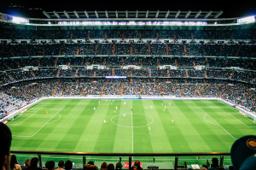
A group of men playing a game of soccer
Photo by Omar Ramadan on Unsplash
Imagine a defender slices a free kick straight into their own goal. Chaos, right? But under the Laws of the Game, that effort actually would not count. An own goal cannot be scored directly from a free kick, whether direct or indirect.
TL;DR: An own goal directly from a free kick is not allowed — the referee awards a corner kick to the attacking team instead.
The Rule Explained
According to the IFAB Laws of the Game, an own goal cannot be scored directly from most restarts: free kicks, corners, throw-ins, goal kicks, and kick-offs. If a player kicks it cleanly into their own net from any of these, it is a corner-kick restart — not a goal (Wikipedia on own goals).
A 2016 Clarification
This was formally clarified when the rules changed for the 2016/17 season (effective 1 June 2016), ending the previous, more confusing interpretation around corners. Since then, the same principle has applied cleanly to free kicks as well.
When a Goal IS Awarded
There are tweaks to know:
- Deflection counts. If a free kick takes a touch off a player — say it ricochets off a defender — and then goes into their own net, a goal is correctly given.
- A penalty is the exception. A penalty kick can technically result in a goal, though scoring your own net from one would require bizarre circumstances since the ball must be played forward.
Why the Rule Exists
It avoids absurd situations. A restart like a free kick is meant to re-start play fairly, so the defending team cannot be punished by directly conceding to themselves from a dead ball. The corner-kick award keeps momentum with the attacking side while removing freak incidents.
Frequently Asked Questions
Can you score an own goal from a direct free kick?
No. Under the Laws of the Game, an own goal cannot be scored directly from a free kick; a corner is awarded instead.
Related News