Why Did UEFA Remove the Away Goals Rule?
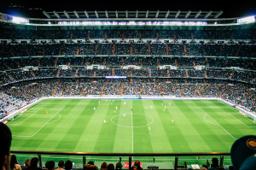
A stadium filled with fans watching a European football match
Myron Mott on Unsplash
For 56 years, away goals decided some of European football's most famous ties. Then, on 24 June 2021, UEFA scrapped it. But why did UEFA remove the away goals rule, and what changed?
TL;DR: UEFA abolished the away goals rule in 2021 because it discouraged home teams from attacking and gave unfair help to some sides — extra time and penalties now decide level ties.
The rule was introduced in 1965 and stated that if two teams were level on aggregate, the team that scored more goals away from home advanced. It was meant to reward ambition on the road and reduce the need for endless replays and coin tosses.
The Case Against the Away Rule
UEFA's Executive Committee approved the change for all club competitions from the 2021-22 season. The governing body argued the rule no longer reflected modern football.
Key reasons included:
- The rule discouraged home teams from attacking, because conceding an away goal was so costly.
- It could punish a team that dominated a tie but conceded once on the counter.
- Playing conditions away from home had become far less intimidating, weakening the rule's original logic.
What Replaced It
Now, if a two-legged tie is level on aggregate after both matches, it goes to extra time, and then penalties if needed. No away-goals calculation, no confusion.
How Fans Reacted
The decision split opinion. Supporters who loved the drama of an away goal on a cold European night mourned its loss. Others welcomed a simpler, fairer system. Fans on Sportigon still debate whether the change helped or hurt the competition.
The Bigger Picture
UEFA also pointed to evidence that home advantage had shrunk. Modern travel, better pitches, and professional preparation mean visiting sides cope far better than in the 1960s. The rule, once a clever incentive, had become an outdated tiebreak.
Some argue away goals made teams cautious and produced cagey first legs. Removing it, UEFA hoped, would encourage more open, attacking games.
Either way, the change reshaped how knockout ties are decided — and it is unlikely to return soon.
Want to debate the away goals rule with other fans in real time? Join — the social network built for football fans.
Related News