Own Goal From a Free Kick? Here's the Rule
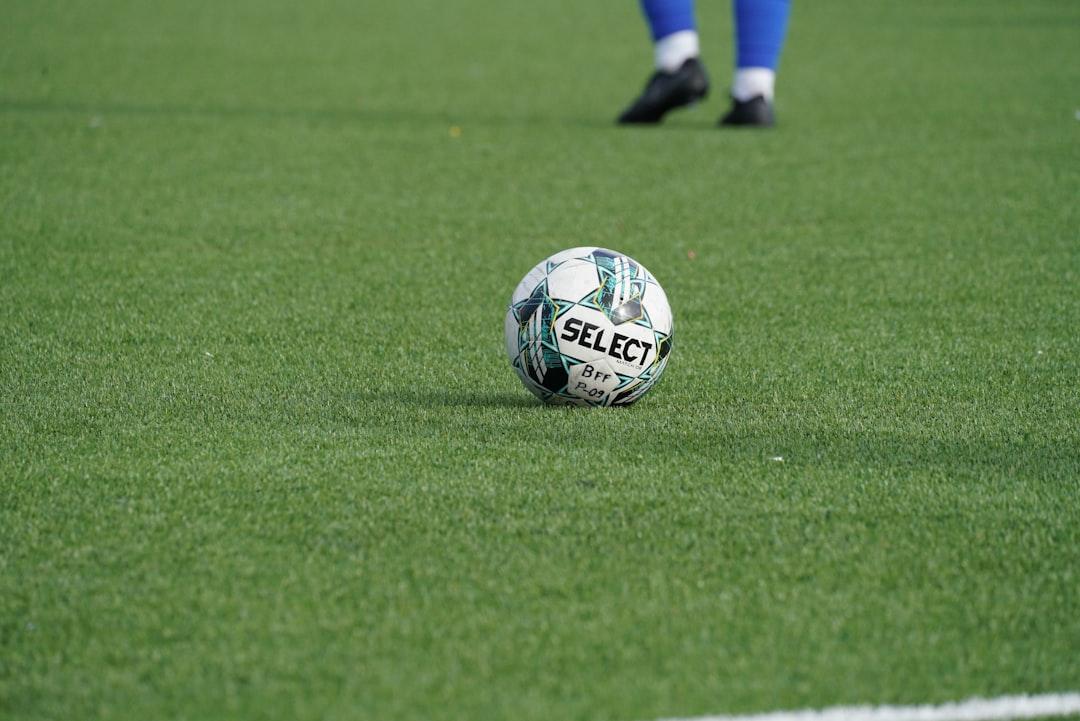
A soccer ball on a green pitch before a free kick
Daniel Norin on Unsplash
Imagine a defender winning a free kick deep in their own half and, in a panic, firing it straight into their own net. Would it count against them? Under the Laws of the Game, no — you cannot score an own goal directly from a free kick.
TL;DR: A free kick kicked directly into your own goal is never an own goal — the referee awards a corner kick instead.
Why an Own Goal Can't Count
Under Law 13 of the Laws of the Game, if a direct or indirect free kick is kicked directly into the team's own goal, a corner kick is awarded. You can only score a goal for yourself, never against yourself, from a restart.
The Exception: Another Player Touches It
If the ball is kicked toward your own goal and touches another player first — a teammate or opponent — the defending team becomes the attacking team in play. If it then goes in, the last defender to touch it is credited with an own goal. Otherwise, no score.
The Practical Takeaway
Free kicks in your own defensive third are restarts, never scoring chances. A goalkeeper who miscues a free kick into his own goal cannot be punished with a goal conceded. Just a corner is awarded and play continues — a safety net that encourages defenders to play out.
Free Kicks Into the Opponent's Goal
For comparison, a direct free kick straight into the opponents' goal counts. An indirect free kick in counts only if another player touches it, otherwise it's a goal kick. So scoring for yourself is allowed, but against yourself isn't unless a player touches it.
Frequently Asked Questions
Can a goalkeeper score an own goal from a free kick?
Only if the ball hits another player first. Kicked directly, it's a corner, not a goal.
What if an indirect free kick goes into your own goal?
Same as a direct one — a corner is awarded, since no own goal comes directly from any free kick.
Can you score an own goal from a kick-off or corner?
No. The Laws rule out direct own goals from kick-offs, goal kicks, throw-ins, corners and free kicks.
Related News