Own Goal From a Free Kick? Here's What the Rules Say
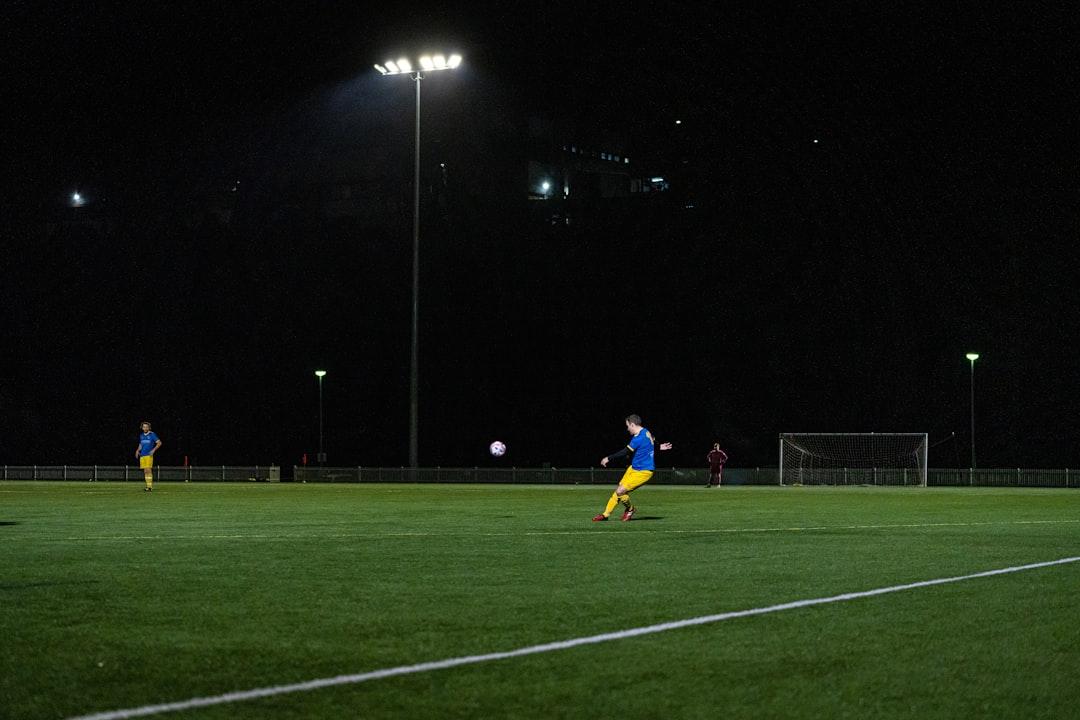
A player lining up a free kick in front of a defensive wall
Photo by Chris Andrawes on Unsplash
Picture it: a player mishits a free kick and watches in horror as the ball curls toward their own goal. A nervous goalkeeper fumbles it over the line. Is it an own goal? In football, the answer is nearly always no — the law is designed to stop that exact nightmare.
TL;DR: A player cannot score an own goal directly from a free kick. If the ball goes straight in, no goal is given and a corner is awarded to the opposition.
What the Laws of the Game Say
IFAB's Laws of the Game state that you cannot score an own goal directly from a restart. That covers kick-offs, goal kicks, throw-ins, corner kicks (since the 2016/17 changes) and free kicks — both direct and indirect.
If a defender fires a free kick straight into their own goal without anyone else touching it, the referee does not award a goal. Instead, play restarts with a corner kick for the attacking team. See IFAB Law 13 on free kicks and the own goal rules on Wikipedia.
When Does an Own Goal Actually Count?
The restriction only applies to the ball going in directly from a restart. If another player touches it first — say, a striker's shot deflects off a defender into the net — then the goal is valid.
Own goals are still common from deflected crosses and shots, and they count for the opposition, even though they're not added to the scorer's career tally.
Why the Rule Exists
Before 2016/17, a direct corner-kick own goal was technically possible. IFAB rewrote the laws to make restarts consistent and stop freak, avoidable own goals deciding matches.
Frequently Asked Questions
Can you score an own goal from a free kick?
No. A goal cannot be scored directly against your own team from a free kick. If it happens, a corner is awarded to the opposition.
What if the ball deflects off a defender into their own goal?
If another player touches the ball first, the goal is valid. The direct-restart restriction only applies when it goes in untouched by anyone else.
Related News