Own Goal From a Free Kick: What Happens?
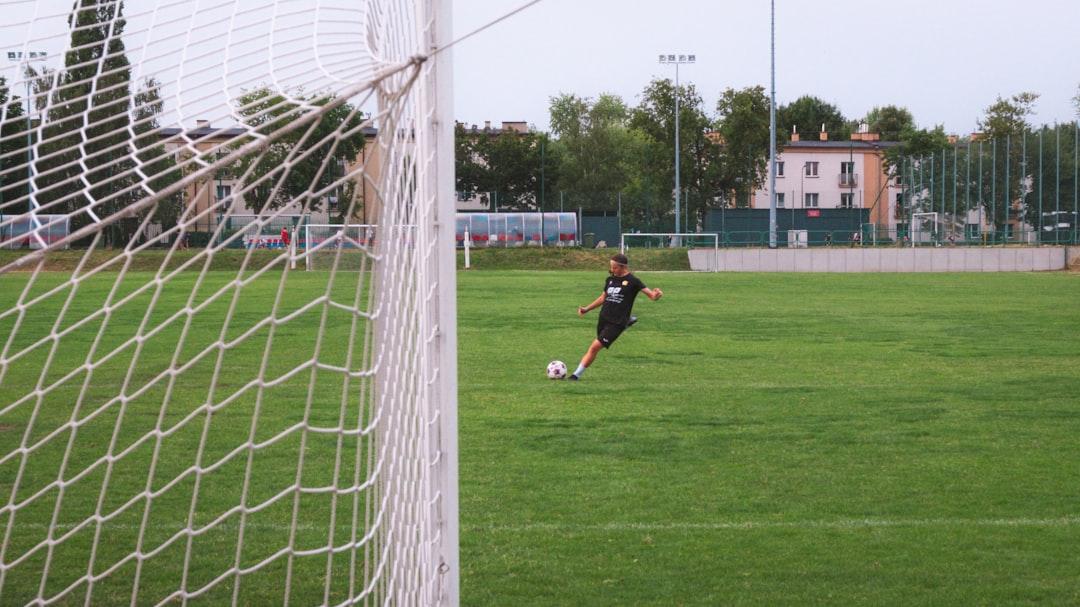
A defender prepares to clear a free kick near his own goal
Photo by Bohdan Hyrovych on Unsplash
Imagine a defender mis-hits a free kick and watches the ball curl into his own net. Surely that's an own goal? Actually, no. Under the Laws of the Game, an own goal from a free kick doesn't count as a goal at all — the referee awards a corner kick to the attacking side.
TL;DR: If a free kick goes directly into the team's own goal, play restarts with a corner kick to the opposition — no goal is awarded.
The Rule in Law 13
This unusual rule lives in IFAB Law 13 – Free Kicks. It states clearly: if a direct or indirect free kick is kicked directly into the team's own goal, the outcome is a corner kick for the opposing team.
The logic is simple. A free kick is a restart, not open play. To score, the ball must travel into the opponents' goal. When it heads the wrong way straight from the kick, no goal counts — even though the ball physically crosses the line.
Why the Law Changed
This wasn't always so obvious. The rule was tightened by the International Football Association Board (IFAB) in 2016 to confirm that own goals cannot be scored directly from restarts such as free kicks, goal kicks, corner kicks, and throw-ins.
What counts as "directly"?
If the ball is kicked straight into the own goal without touching another player, it's a corner kick. But if the ball deflects off a teammate or opponent before crossing the line, it becomes a legitimate own goal.
The Bottom Line
- Free kick straight into own net → corner kick
- Ball deflects off a player before going in → own goal stands
Frequently Asked Questions
Can you score an own goal directly from a free kick?
No. A free kick kicked directly into the own goal results in a corner kick, not a goal.
Does it apply to indirect free kicks?
Yes. Both direct and indirect free kicks kicked straight into the own goal produce a corner kick.
Related News