Own Goal From a Free Kick: What Happens? Law Explained
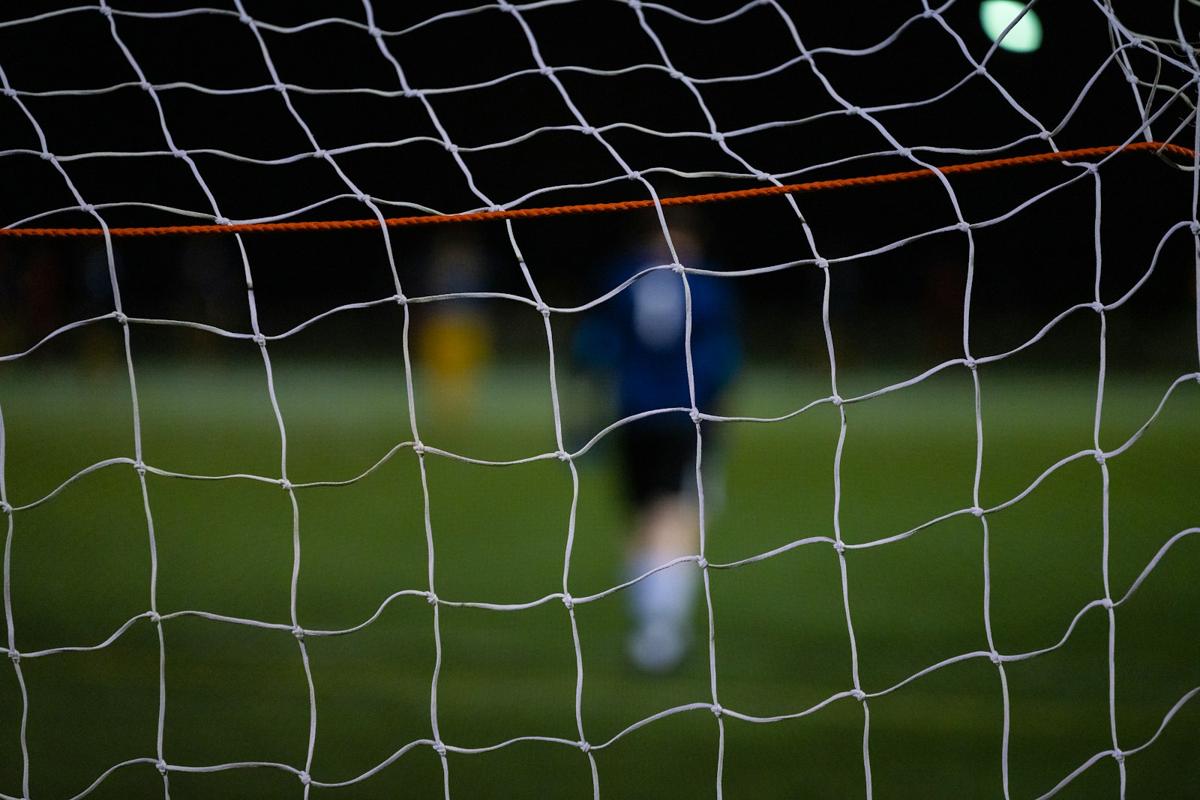
A footballer taking a free kick toward the goal
Chris Andrawes on Unsplash
An own goal from a free kick feels like the ultimate football nightmare: a defender miskicks a restart and the ball ends up in the wrong net. But does it count? Under the modern Laws of the Game, the answer is no.
TL;DR: A player can never score an own goal directly from a free kick — if the ball goes straight into the kicker's own goal, the referee awards a corner kick instead.
The Law on Free Kicks and Own Goals
IFAB's Law 13 covers free kicks in detail. It states clearly: if a direct or indirect free kick is kicked directly into the team's own goal, a corner kick is awarded to the opposition. No goal, no own goal — play restarts from the corner flag.
Why a corner and not a goal?
An own goal is only registered when a player deliberately intervenes during open play to put the ball into their own net. A free kick is a dead-ball restart, so the Laws never reward a free-kick own goal.
It Applies to Nearly Every Restart
Direct own goals are also blocked from most other restarts. As Wikipedia's own-goal entry explains, the same corner-kick outcome applies if the ball goes straight into the own goal from a kick-off, goal kick, throw-in, corner, or dropped ball. This change was formalised in the 2016/17 update.
The Bottom Line for Fans
So when you shout "own goal!" as a defender bundles a free kick into their own net, you are technically wrong on the scoresheet. The referee will simply point to the corner flag.
Frequently Asked Questions
Can a defender score an own goal from an indirect free kick?
No. Whether the free kick is direct or indirect, an own goal cannot be scored directly — a corner kick is awarded.
What is awarded when a free kick goes into the kicker's own goal?
A corner kick is awarded to the opposing team, taken from the side where the ball went out.
Can a player score an own goal from a throw-in?
No. A throw-in cannot score a goal in either net directly; if it goes into the thrower's own goal, a corner is awarded.
Related News