Can You Score an Own Goal From a Free Kick?
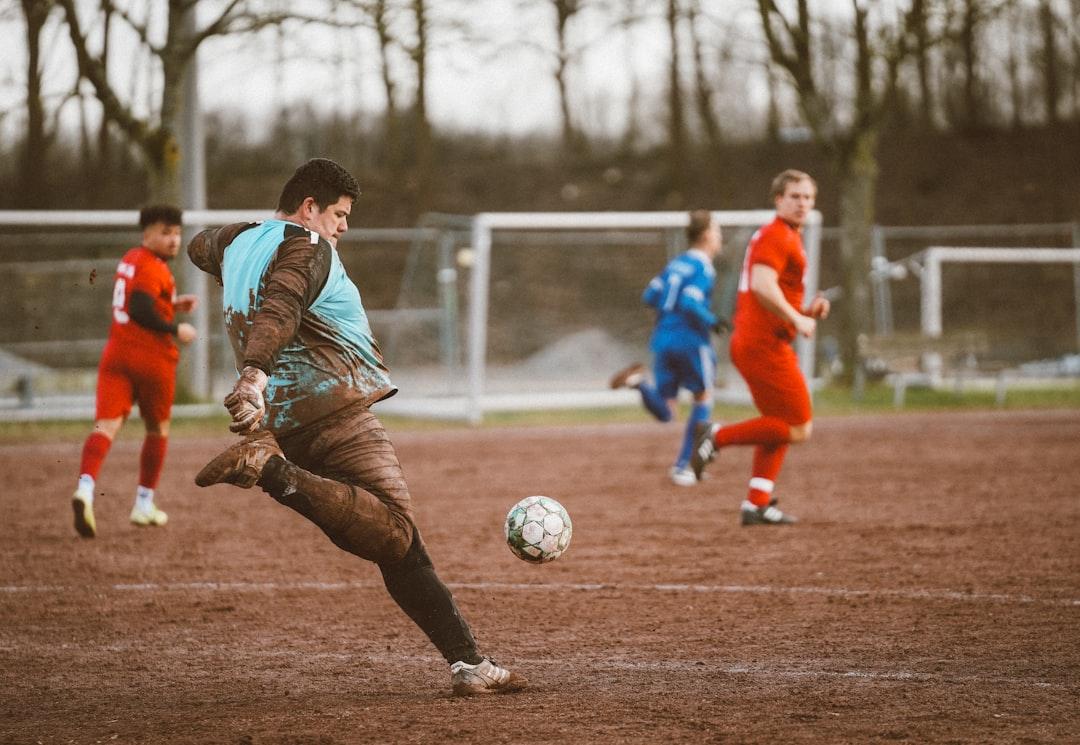
Footballers lining up at a free kick during a match
Omar Ramadan on Unsplash
An own goal from a free kick is every defender's nightmare. But does the referee count it? The short answer under the IFAB Laws of the Game is: no — not directly. If the ball flies into the kicker's own net without touching anyone, no goal is awarded.
TL;DR: You can't score a direct own goal from a free kick — the restart becomes a corner to the opposition. Only a deflection off another player turns it into a real own goal.
The Rule That Decides It
Law 13 (Free Kicks) is clear: a free kick straight into the opponents' goal counts, but the same kick into the kicker's own goal does not. Instead, the referee awards a corner kick to the opposing team, so a team can't net against itself from a dead ball. Read the full law on IFAB's site. The same logic applies to corner kicks, goal kicks, throw-ins, dropped balls and kick-offs.
When It DOES Become an Own Goal
The twist: the "no own goal" rule only applies when the kick goes in untouched. If the ball clips a teammate, the goalkeeper or even an opponent before crossing the line, it's no longer a direct free-kick goal. Once deflected, the goal does count — credited as an own goal against the player who touched it last. That's the classic "keeper lets a free kick through their legs" blunder: the ball touched the keeper, so it stands.
IFAB codified this in its 2016 rules clarification, confirming you can't score an own goal directly from a corner either. BBC Sport covered the changes.
Frequently Asked Questions
Can a goalkeeper score an own goal from a free kick?
Yes — but only if the free kick touches them or comes from open play. A kick sent directly into the own net by the taker is always a corner.
Does an own goal from a deflected free kick count?
Yes. As soon as the ball touches another player, it's live and a goal is awarded to the attacking side.
Who gets credited with the own goal?
The last player to touch the ball before it crossed the line — usually the defender or keeper who made the deflection.
Related News