Own Goal From a Free Kick: What Happens?
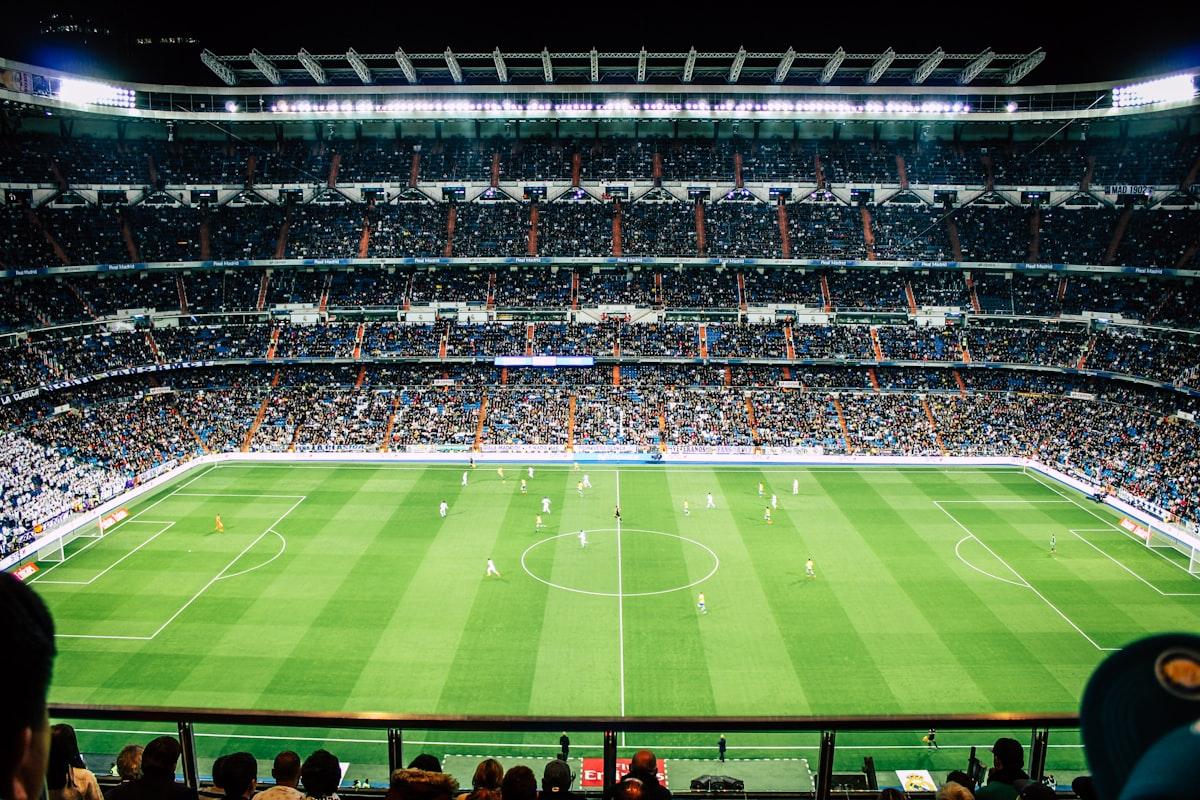
A professional stadium pitch under the lights
Thomas Serer on Unsplash
Imagine a defender slicing a dangerous free kick into his own net. Surely that's an own goal? In soccer the answer is no — an own goal from a free kick does not count. Here's what the laws say.
TL;DR: A free kick kicked directly into a team's own goal is not a goal — the referee awards a corner kick to the opposition, whether the free kick was direct or indirect.
What the Laws of the Game Say
Under IFAB Law 13 (Free Kicks), the rule for the ball entering the goal is precise:
- A direct free kick into the opponents' goal is a goal.
- An indirect free kick into the opponents' goal is a goal kick.
- A direct or indirect free kick into the team's own goal is a corner kick.
So a free kick into the taker's own net is never a goal.
Why Can't an Own Goal Be Scored From a Restart?
Football's rules deliberately prevent scoring into your own goal directly from a restart — the same applies to a kick-off, goal kick, throw-in, corner, or penalty. An own goal is only awarded in open play.
What If the Ball Touches a Player First?
Here's the twist: the rule only applies when the free kick goes directly into the goal. If the ball deflects off another player before crossing the line, it becomes an own goal. A free kick striking a defender and ricocheting past their keeper counts as an own goal.
Frequently Asked Questions
Is an own goal from a free kick a goal?
No. IFAB Law 13 says a free kick sent directly into your own net is not a goal.
Does it matter if the free kick is direct or indirect?
No. Either way, a free kick into your own net directly means a corner kick.
When is an own goal given from a free kick?
Only if the ball touches another player first. A deflection into the defender's own goal counts as an own goal.
Confused by football's quirkiest rules? Debate this call with other fans in real time on Sportigon — the social network built for football fans.
Related News