What Happens If You Score an Own Goal From a Free Kick?
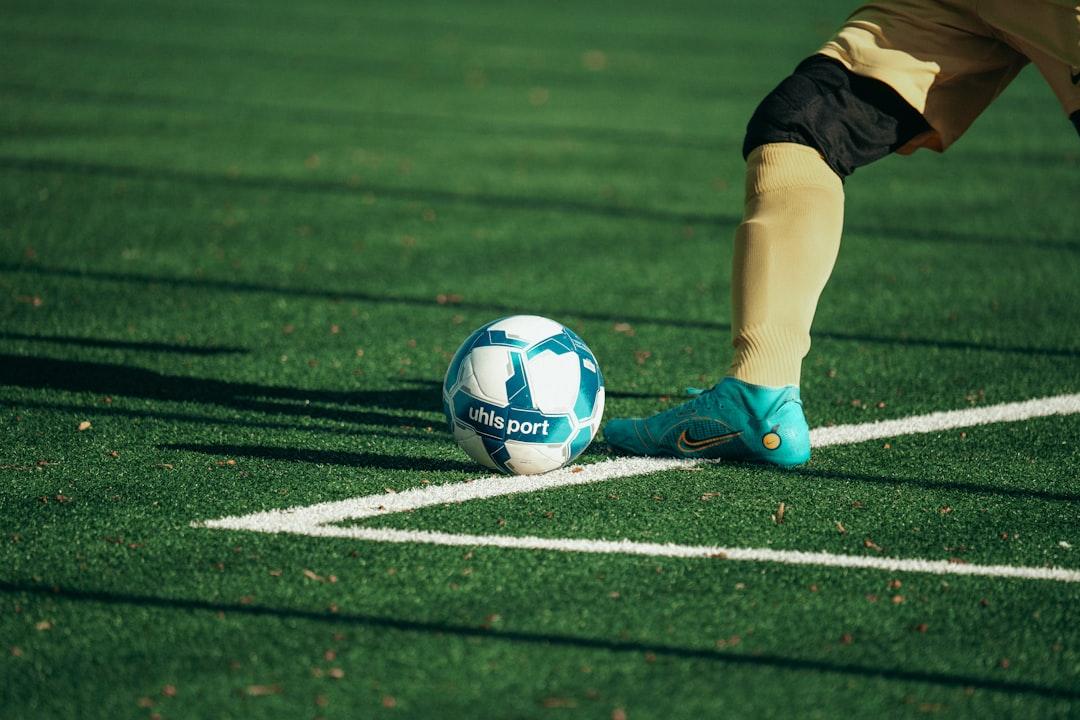
A soccer ball on the pitch with a player's feet about to take a free kick
Photo by Omar Ramadan on Unsplash
You've seen the nightmare: a defender tries to clear a free kick, and the ball flies into his own net. Fans groan, teammates stare, and an own goal goes on the scoresheet — right? Not quite. The laws hide a little-known twist when that ball goes in from a free kick.
TL;DR: An own goal can't be scored directly from any free kick. If the ball flies straight into the kicker's own goal, a corner kick is awarded instead.
The Rule Explained
Under the IFAB Laws of the Game (Law 13), a goal may not be scored as an own goal directly from a free kick — whether direct or indirect. It's a rare carve-out to avoid unfair, freak outcomes.
What Actually Happens
If the ball goes directly into the kicking team's own goal from a free kick, the restart is a corner kick to the opposition. No goal is given, and no own goal is credited to the defender.
Direct vs Indirect Free Kicks
- Direct free kick into your own goal: corner kick to the opposition.
- Indirect free kick into your own goal: also a corner kick.
- Indirect free kick into the opponents' goal: a goal kick is awarded, not a goal.
This is why the referee keeps his arm raised for an indirect kick until another player touches the ball.
Why Is the Rule Different?
The rule keeps free-kick outcomes clean and predictable. Goals from free kicks are meant to come from the taker's skill or a teammate's touch — not a defensive mishap. It also stops a defender being credited with an own goal while his team attacks.
Frequently Asked Questions
Can you score an own goal from a direct free kick?
No. If the ball goes directly into the kicking team's own net from a free kick, it is not a goal — a corner kick is awarded to the opposition.
What if the free kick deflects off a defender first?
Once the ball touches another player, the own-goal protection ends. If it then enters the kicker's own goal, it counts as a regular own goal.
Want to debate weird football rules with other fans in real time? Join the conversation on — the social network built for football fans like you.
Related News