Can a Goalkeeper Pick Up a Back Pass From a Teammate?
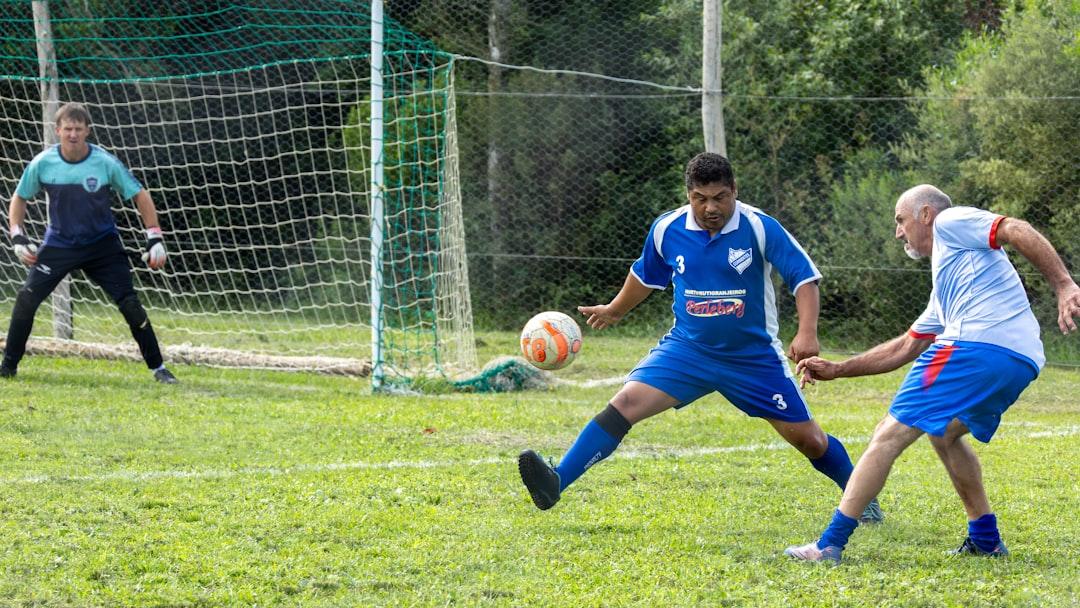
Soccer players competing on a grassy field
Photo by Matheus Protzen on Unsplash
Picture this: a defender taps the ball back to his keeper, the gloves scoop it up, and the referee whistles. Can a goalkeeper pick up a back pass from a teammate? Often the answer is no — and it's one of soccer's most misunderstood rules.
TL;DR: A keeper cannot handle when a teammate deliberately kicks it back with the foot, conceding an indirect free kick.
The Rule Explained
Under IFAB Law 12, a goalkeeper may not touch the ball with their hands after it has been deliberately kicked to them by a teammate using the foot. That is the classic "back pass."
When Is It a Back Pass?
The law is narrower than fans think. It must be kicked with the foot (not the knee or thigh), be deliberate, and travel toward the keeper's goal.
When Can the Keeper Pick It Up?
The keeper can handle the ball when a teammate passes it back with their head, chest, or shoulder — heading it back is perfectly legal. If the ball deflects off an opponent on the way, handling is also allowed.
The Penalty
The referee awards an indirect free kick to the opposition from where the keeper handled it — not a penalty, even inside the penalty area. The same rule applies even inside the penalty area, so it's never a penalty.
Why Does the Rule Exist?
The rule arrived in 1992 to stop time-wasting after keepers held passes to kill the game. It changed defending overnight, forcing teams to build out with their feet and rewarding high pressure. Today coaches drill defenders to never pass back to the keeper under pressure.
Frequently Asked Questions
Can a goalkeeper pick up a header from a teammate?
Yes. Because the ball wasn't kicked with the foot, the keeper may handle it.
Is handling a back pass a penalty?
No — it's an indirect free kick from the spot, not a penalty kick.
Does the rule cover a throw-in from a teammate?
Yes. A keeper cannot pick up a ball thrown straight to them either.
Debating a back-pass call with your mates? Settle it live on — the social network built for football fans.
Related News