Can a Goalkeeper Pick Up a Back Pass? Rules Explained
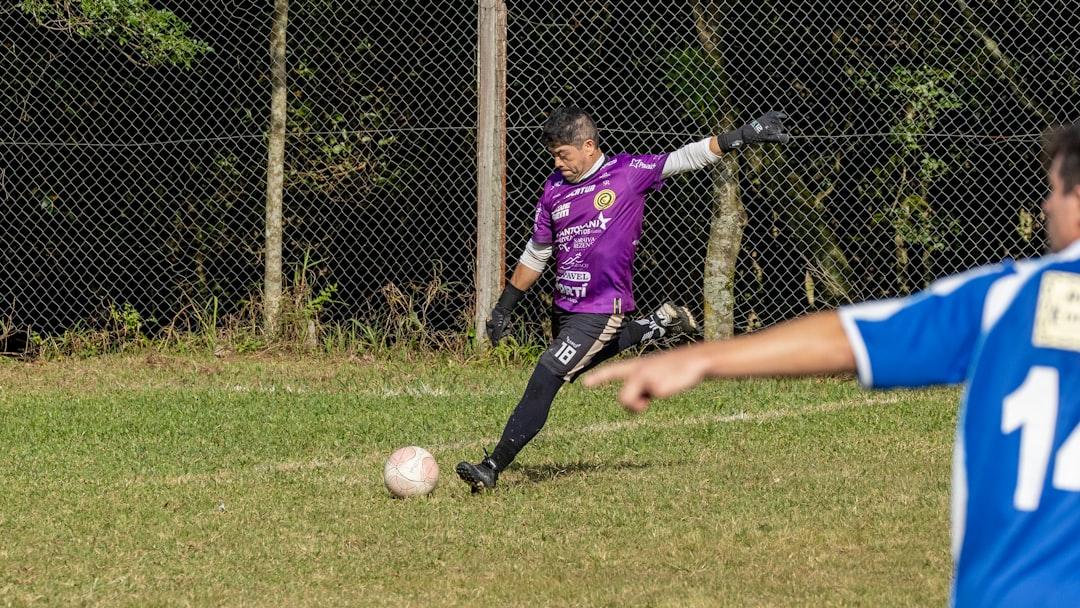
Goalkeeper in purple uniform kicks a soccer ball on a grassy field
Matheus Protzen on Unsplash
A defender knocks the ball back and the goalkeeper scoops it up — and the referee instantly points to an indirect free kick. Can a goalkeeper pick up a back pass? Under the Laws of the Game, generally no. It's one of football's most misunderstood rules.
TL;DR: A goalkeeper cannot handle a deliberate back pass kicked or thrown in by a teammate — the punishment is an indirect free kick.
The Back-Pass Rule in Soccer
Law 12, Section 2 forbids a goalkeeper from handling the ball when a teammate deliberately kicks or throws it back to them. The rule was introduced in 1992 by IFAB to stop time-wasting. Three things must all happen: the ball is played by the foot of a teammate, that action is deliberate, and the keeper handles it directly.
What IS Allowed
A keeper can use their hands when a teammate plays the ball back with any part of the body other than the foot — such as a header, chest or knee. A headed clearance backwards is legal.
What Is NOT Allowed
- A kick back to your own keeper, regardless of direction
- A teammate's throw-in back to the keeper
- Tricky plays to dodge the rule, like flicking up with the foot then heading
The Penalty
The referee awards an indirect free kick to the opposition from the spot of the handling (or from the six-yard line if inside the goal area). With defenders that close, it often leads to goals.
Why the Rule Exists
Before 1992, teams passed back endlessly and let the keeper hold the ball to burn clock. The rule forces defenders to play out from the back, speeding up games.
Frequently Asked Questions
Can a goalkeeper pick up a back pass from a corner?
Yes — a direct corner is not a back pass, so the keeper may use their hands.
Can a back pass be made with the head?
Yes — headers and chests are legal; only deliberate kicks or throw-ins are forbidden.
What happens if a goalkeeper picks up an illegal back pass?
Related News