Why Do Soccer Players Kiss Their Wrists?
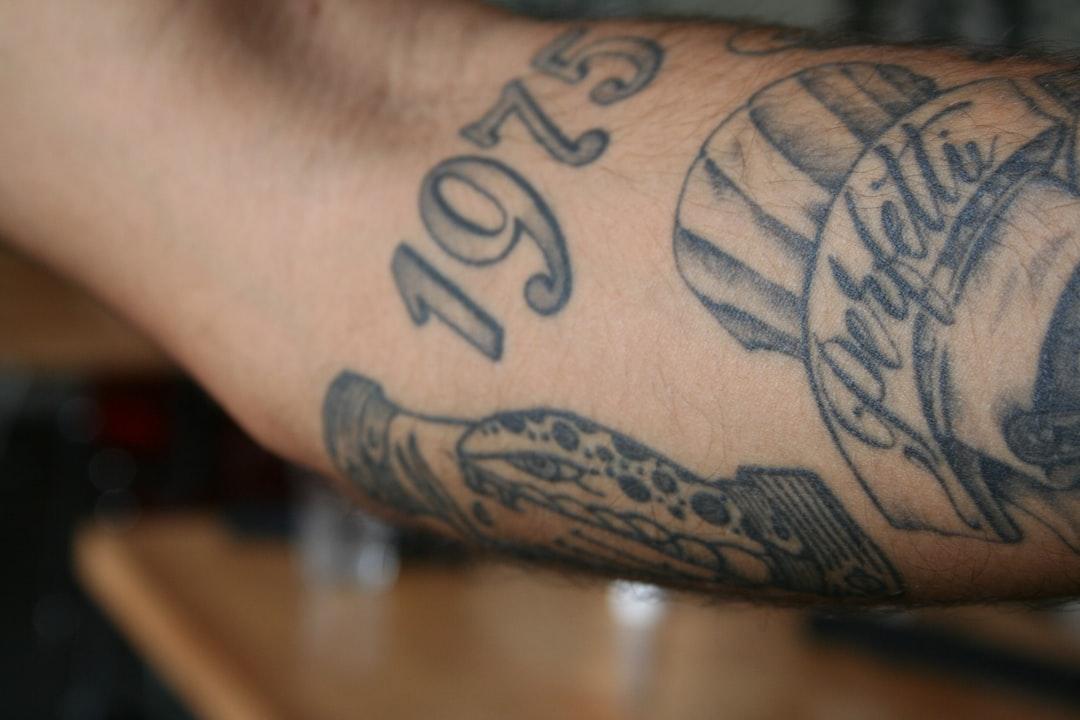
Close up of a tattooed arm with the year 1975
Photo by Eva Greenberg on Unsplash
Some goal celebrations are loud and theatrical. Others are quiet and personal. One of the most common subtle celebrations you'll see is a player kissing his wrist or forearm after scoring. But why do soccer players kiss their wrists in the first place?
TL;DR: Players kiss their wrists to honour family members or loved ones — often their mother's name tattooed on their wrist, or a promise made to someone special.
Tribute to Family
The most common reason is personal. Players have their mother's name, children's names, or significant dates tattooed on their wrists. Kissing it after a goal is a private thank you — "that one was for you."
The Story of the Wristband
Some players wear wristbands bearing a sick relative or passed teammate. Kissing the wristband dedicates the goal to them — a recognised gesture across football.
A Promise Kept
A player might kiss his wrist as a reminder of a promise — to a parent, partner, or themselves. A celebration that says: "I told you I'd do this."
Famous Examples
Dybala, Di María, and Coutinho are known for kissing their wrists after goals — always linked to a tattoo honouring a loved one.
Frequently Asked Questions
Do players kiss their wrists for religious reasons?
Not typically. Wrist-kissing is almost always a family tribute rather than a religious gesture. Religious celebrations usually involve pointing to the sky.
Why do some players kiss both wrists?
Some players have multiple tattoos or wristbands — one for a parent, one for a child. Kissing both wrists honours everyone at once.
Is the wrist kiss a new trend in football?
It became more visible in the 2010s as players got more tattoos and cameras captured tighter angles, but it has existed for decades.
Do fans do wrist-kiss celebrations?
Yes. Fans copy their favourite players' celebrations, and wrist-kissing has become a recognisable tribute gesture in stadiums worldwide.
Next time you see a player kiss his wrist after scoring, you'll know there's a story behind it. Share your favourite goal celebrations on Sportigon — the social network where football fans celebrate together.
Related News