Why Do Premier League Matches Start at Different Times?
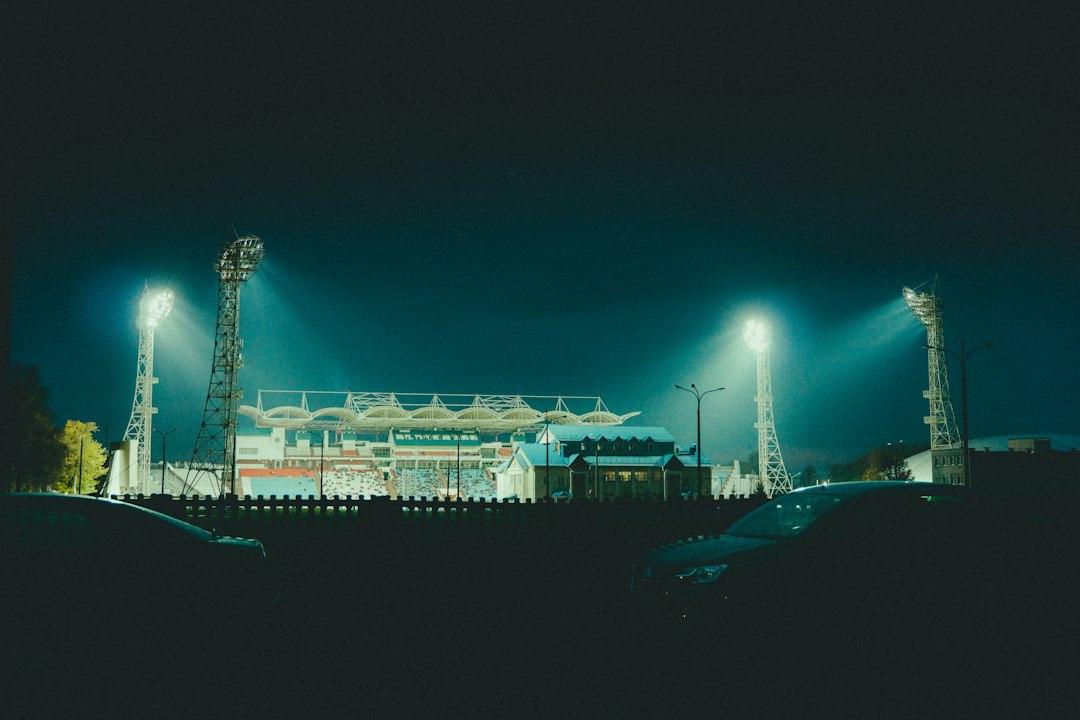
A football stadium lit up at night before kickoff
Artem Balashevsky on Unsplash
Ever settled in for a weekend of football and wondered why one game kicks off at 12:30, another at 5:30, and your team is stuck on Monday night? The Premier League kickoff times are not random — they are carefully engineered around television money, tradition and public safety.
TL;DR: Premier League matches start at different times because broadcasters pay billions for exclusive slots, the Saturday 3pm blackout protects lower-league attendances, and police and travel logistics force games to be staggered.
The Saturday 3pm Blackout
English football has a long tradition of 3pm Saturday kickoffs. Under a UEFA rule known as Article 48, no live football can be televised domestically between 2:45pm and 5:15pm on a Saturday in the UK. The idea is simple: if fans can watch any match on TV, fewer will buy tickets to lower-league and grassroots games. Protecting those crowds keeps the football pyramid alive (BBC Sport).
How TV Deals Shape the Schedule
The Premier League sells its matches to broadcasters in packages, and each package buys specific slots. That is why the fixture list splits into familiar windows:
- Saturday 12:30pm — early kickoff, often shown by TNT Sports
- Saturday 5:30pm — evening game, typically Sky Sports
- Sunday 2pm and 4:30pm — the flagship double-header
- Monday 8pm — Monday Night Football
- Midweek evenings — Tuesday and Wednesday for European or cup weeks
Broadcasters want the biggest fixtures in prime-time slots, so the most attractive games are pulled into Sunday and Monday (Premier League).
Policing, Travel and Europe
Not every switch is about TV. Local police can request an earlier kickoff for high-risk derbies to reduce pre-match drinking and crowd trouble. Long away trips — say Bournemouth to Newcastle — are also considered so fans can travel. Clubs playing in the Champions League on Tuesday or Wednesday often see their weekend game moved to Saturday or Sunday to protect recovery time.
Related News