Why Is Tottenham Called Spurs? The Nickname Explained
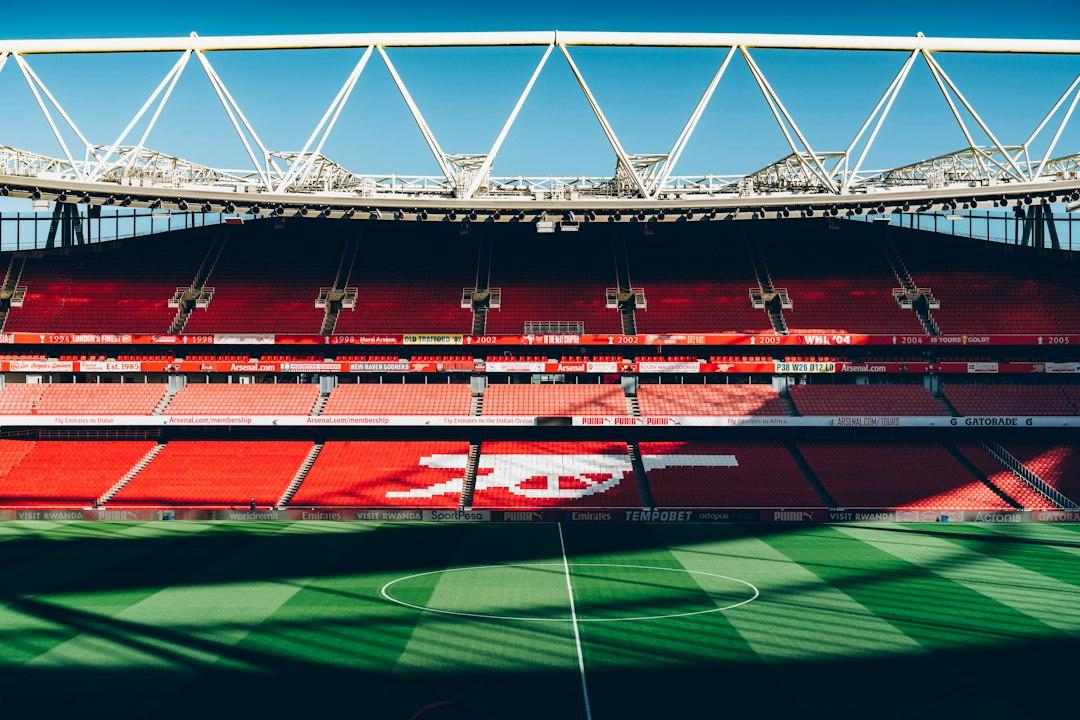
A soccer field under open skies
Nelson Ndongala on Unsplash
Tottenham Hotspur are one of English football's most storied clubs, yet the question "why is Tottenham called Spurs?" trips up plenty of new fans. The answer stretches back centuries — long before a ball was kicked in north London.
TL;DR: Spurs is simply a shortening of "Hotspur", the name the club has carried since its schoolboy founders borrowed it from a legendary medieval knight.
The name began with Sir Henry Percy, a 14th-century knight nicknamed "Harry Hotspur" for his fierce, spur-driven charges into battle. In 1882 a group of local schoolboys formed a football side called Hotspur Football Club, after the Percy family who held land in the Tottenham area.
Why Hotspur Became Spurs
In 1884 the club was renamed Tottenham Hotspur to avoid confusion with another London side, Hotspur FC of Battersea. The long version was unwieldy for matchday crowds and newspaper reports, so supporters shortened it to "Spurs" — the most distinctive part of the name.
That abbreviation stuck fast. Today "Spurs" is the club's official short name, appearing everywhere from the badge to the stadium.
The Cockerel on the Football
Tottenham's emblem is a cockerel standing proudly on a football — a playful nod to Hotspur's fighting spirit. Beneath it sits the Latin motto Audere est Facere, "To Dare Is To Do".
A Nickname Backed by Silverware
The Spurs name carries real weight. Tottenham were the first non-League club to win the FA Cup in 1901, and in 1960–61 they became the first team in the 20th century to complete the League and FA Cup Double. They were also the first British club to lift a UEFA trophy, winning the Cup Winners' Cup in 1963.
What Fans Call Them
Supporters and rivals alike use "Spurs" far more than "Tottenham". The club has even asked commentators to stop calling them "Tottenham" alone, preferring "Spurs" or the full "Tottenham Hotspur" — a small detail that shows how seriously the nickname is protected.
The Nickname Lives On
From medieval battlefields to the roar of the Tottenham Hotspur Stadium, the Spurs name ties fans together worldwide. It is short, sharp and unmistakable — exactly what a great nickname should be.
Related News