Why Is Chelsea Called the Blues? The Nickname Explained
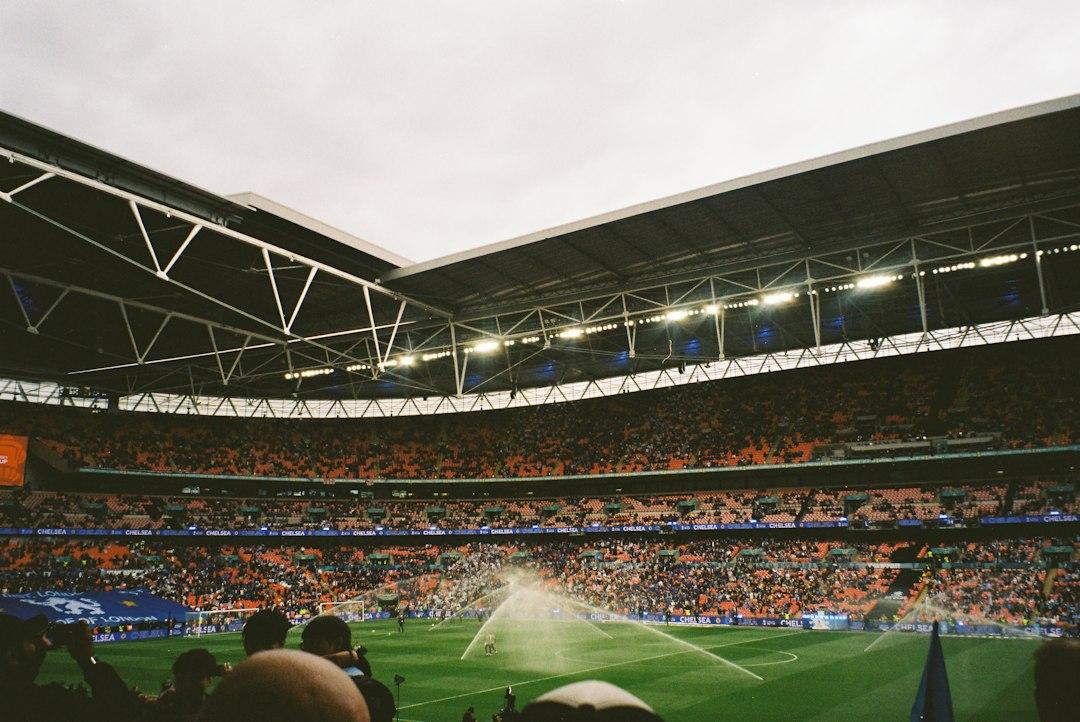
A stadium pitch under sprinklers before kickoff
Photo by T on Unsplash
Walk past Stamford Bridge on a matchday and you'll be swallowed by a sea of royal blue. Chelsea is one of football's most recognisable clubs, but why is Chelsea called the Blues? The answer goes back more than a century — and it's simpler and more romantic than you might think.
TL;DR: Chelsea are called the Blues because royal blue has been the club's primary shirt colour since their founding in 1905.
The Colour That Started It All
Chelsea Football Club was founded on 10 March 1905 at the Rising Sun pub, right across the road from their Fulham Road ground. From the very first season, the team ran out in royal blue shirts with white shorts — a combination that has barely changed in over a hundred years.
The choice was partly practical and partly proud. Blue stood out against the claret and blue of nearby rivals and gave the new club a distinct identity. According to the club's own history, blue has remained the defining thread through every era since.
From Second Choice to Signature
Earlier in Chelsea's story, there was even a brief flirtation with other kits in the early experimental years. But royal blue always returned, worn by legends from Ron Harris and Peter Osgood to Frank Lampard and John Terry.
"Blue Is the Colour"
If one thing cemented the nickname, it was the 1972 FA Cup final song. "Blue Is the Colour" became a terrace anthem and a top-10 hit, with fans singing "Blue is the colour, football is the game" up and down the country. Since then, "the Blues" has been as much about the supporters as the shirts.
A Nickname Shared Across the World
Chelsea aren't the only club called the Blues — Birmingham City, Everton's neighbours and Italy's national team all wear blue. But in English football, the name is most tightly woven into Chelsea, matched by their famous blue flag and the badge's lion holding a staff.
Modern Chelsea sides still wear blue at home, and the nickname follows them from the Premier League to the Champions League. It's a colour, a song and a community all rolled into one.
Related News