Why Is a Back Pass Illegal in Soccer? Rule Explained
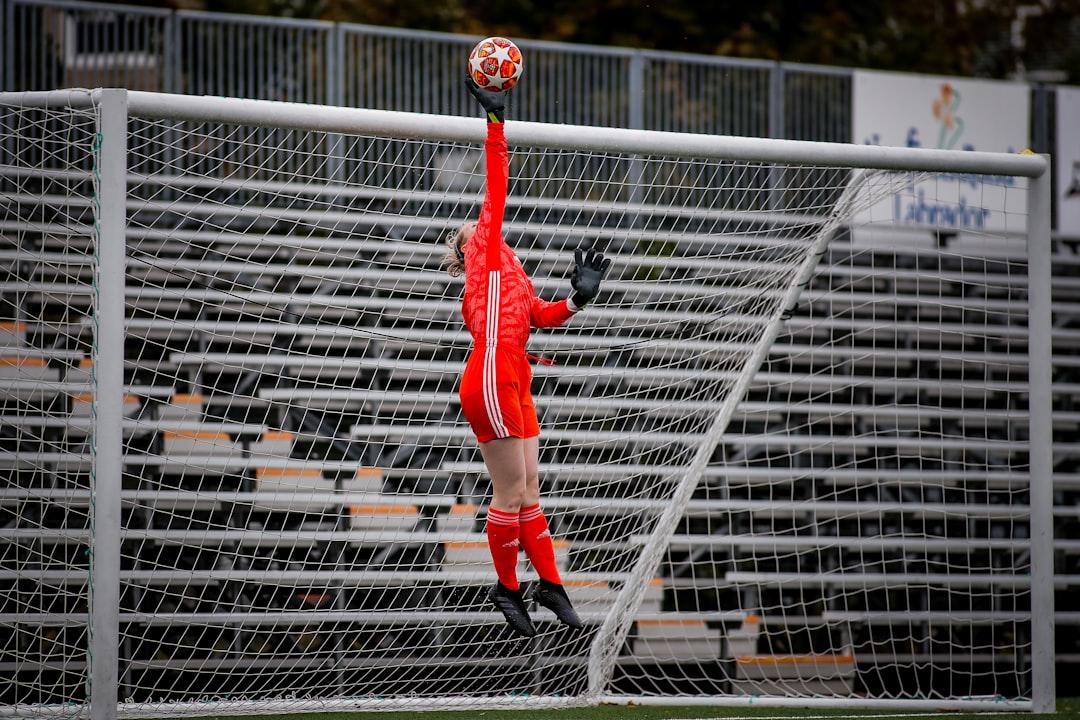
A soccer player in a red shirt on the pitch
Photo by My Profit Tutor on Unsplash
Ever seen a goalkeeper pick up a pass from a defender, only for the referee to award an indirect free kick? Meet the back pass rule. Simply put, a goalkeeper cannot handle the ball when a teammate deliberately kicks it back.
TL;DR: Goalkeepers can't use their hands on a deliberate back pass, so the ball is played out with the feet and the game keeps flowing.
Why Is a Back Pass Illegal in Soccer?
The back pass rule sits in Law 12 of the IFAB Laws of the Game. It exists to stop time-wasting and negative football. Before 1992, defenders routinely knocked the ball back to a keeper who could hold it as long as they wanted — so games stalled. The 1990 World Cup was widely criticised as painfully dull.
FIFA and IFAB introduced the ban in 1992 to force keepers to use their feet and keep matches moving. It was trialled at the 1991 U-17 World Championship, then adopted worldwide. Teams struggled early: Italy conceded from an indirect free kick at the 1992 Olympics.
What Counts as an Illegal Back Pass?
Three things must happen:
- A teammate deliberately kicks the ball with the foot
- The ball travels to the goalkeeper
- The keeper then handles it directly
Headers, chests, and knee passes are allowed, because the rule only bans deliberate kicks. In 1997 it was extended to also ban handling directly from a teammate's throw-in.
What Happens Next?
The punishment is an indirect free kick to the opposition, from the spot of the handling.
How the Law Changed Modern Football
Experts call the back pass rule one of the game's best changes. It pushed keepers to become sweeper-keepers, comfortable on the ball and central to build-up play.
Frequently Asked Questions
Can a keeper pick up a header back pass?
Yes. Headers, chests, and knee passes are legal because the rule bans only deliberate kicks with the foot.
Related News