Why Do Teams Switch Formation During a Match?
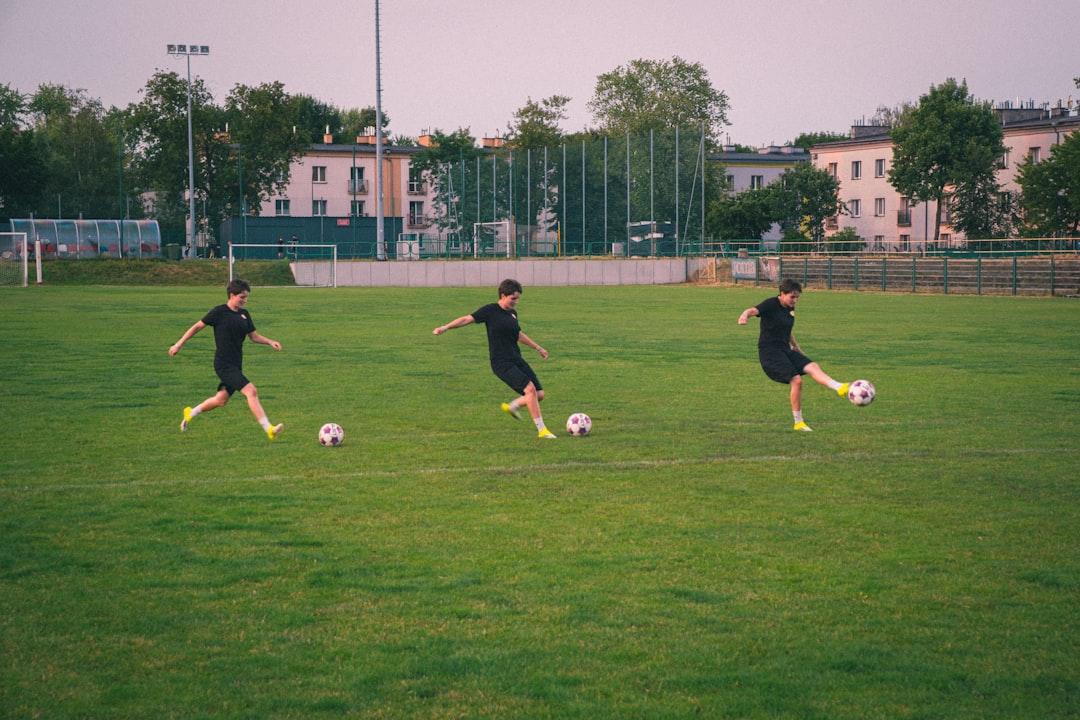
A soccer player striking the ball during a match
Photo by Bohdan Hyrovych on Unsplash
A formation is not a religion — it's a tool. The best managers switch formation during a match the moment the original plan stops working, and the reasons are more practical than most fans realise.
TL;DR: Teams switch formation mid-match to fix a weakness, counter an opponent's change, protect a lead, or chase a goal.
The Main Triggers for an In-Game Switch
Most mid-game changes fall into a few clear buckets:
- Chasing a goal. Going from a 4-3-3 to a back three adds an extra attacker and overloads the final third.
- Protecting a lead. Dropping a winger into midfield creates a 4-5-1 or 5-4-1 to close space and see out the result.
- Countering the opponent. If a rival's overloads are hurting you in midfield, a shape change can rebalance the numbers.
- Injury or red card. Losing a centre-back or a man often forces an immediate restructure.
The Tactical Chess Match
Formations are about match-ups, not numbers on a whiteboard. A deep-lying playmaker who keeps finding pockets of space may force the opposition to shift from a 4-4-2 to a 4-2-3-1 to press him higher.
Equally, an opposing fullback who keeps bombing forward can be neutralised by switching to a back five, giving the wide centre-back cover duties. According to The Coaches' Voice, elite sides rehearse multiple shapes in training precisely so they can shift without losing structure.
Half-Time Is the Tactician's Window
Managers get roughly 15 minutes to reset at the break. Many of the game's most famous comebacks start with a double substitution and a new shape, not a rousing speech.
Why It Doesn't Always Work
Switching formations costs you familiarity. Players rehearse one system for a week, and a sudden change can create gaps between the lines. That's why top coaches use hybrid systems and positional rotations to shift shape without formally changing the lineup.
The Takeaway
A formation change is a manager's live fix — a way to exploit space, plug a leak, or change the game's rhythm.
Related News