Why Do Teams Build From the Back? Tactics Explained
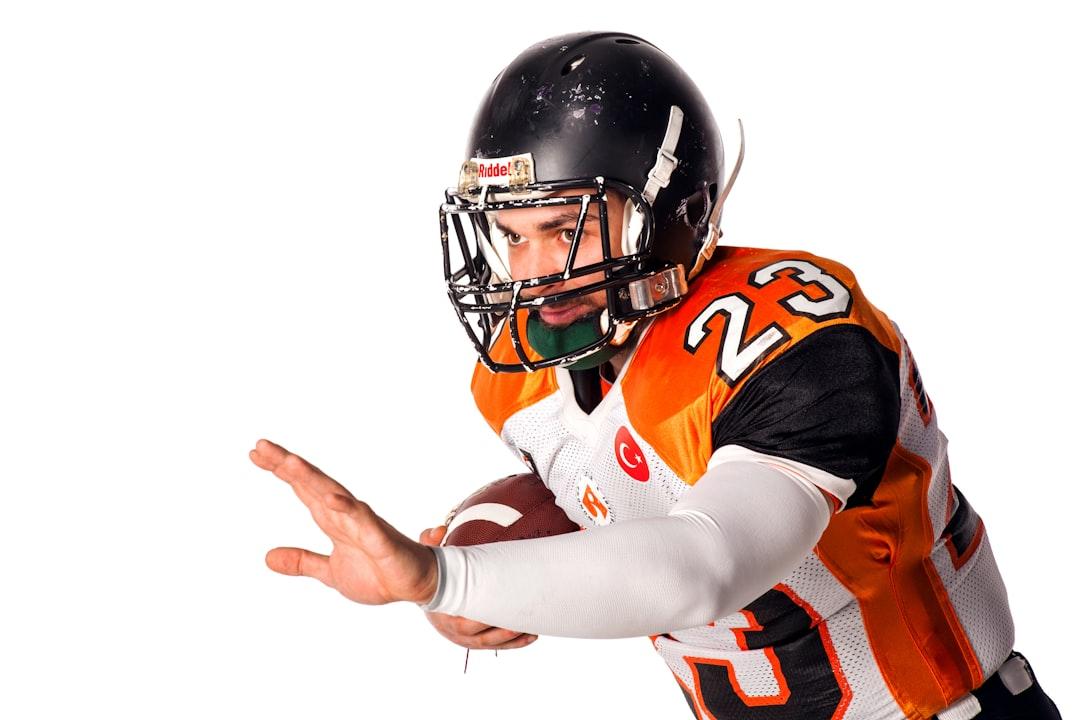
A football player looking for a forward pass
Photo by sporlab on Unsplash
Watch any top match today and you'll notice goalkeepers rolling the ball short instead of launching it long. Building from the back has become a defining feature of modern football, and the reasons run deeper than simply wanting to keep possession.
TL;DR: Teams build from the back to control possession, draw the press, and create space higher up the pitch — even though it carries real risk.
Why Teams Build From the Back
The core logic is about space. When a keeper plays short to a centre-back, the opposition must decide whether to press. If they don't, your team walks the ball forward uncontested. If they do, gaps open elsewhere that a well-drilled side can exploit.
As The Coaches' Voice explains, playing out from defence is a way of baiting the press and then playing through it — turning the opponent's aggression into your own attacking weapon.
Creating Numerical Advantages
Most sides drop a midfielder or full-back between the centre-backs to create a three-versus-two overload against the press. That extra player is the escape valve.
Controlling the Tempo
Short passing lets a team slow a chaotic game down, complete more passes, and build a platform for sustained attacks rather than a 50/50 duel in midfield.
The Risks of Playing Out From Defence
It isn't free of danger. A misplaced pass at the back gifts the opposition a high-quality chance — as Liverpool and Manchester City have learned in high-profile errors over the years.
Coaches accept that risk because the reward is control. As UEFA's technical reports have repeatedly highlighted, teams that successfully play through the first line of pressure dominate territory.
Goalkeepers as Playmakers
The modern keeper is now the eleventh outfield player. Ederson and Alisson are celebrated as much for their distribution as their shot-stopping, because their passing range starts attacks.
What Fans Should Watch For
Next time you watch a match, look at how deep the midfielders drop and where the full-backs position themselves. That shape tells you everything about the manager's intent.
Related News