Why Soccer Players Raise Their Hands for Offside
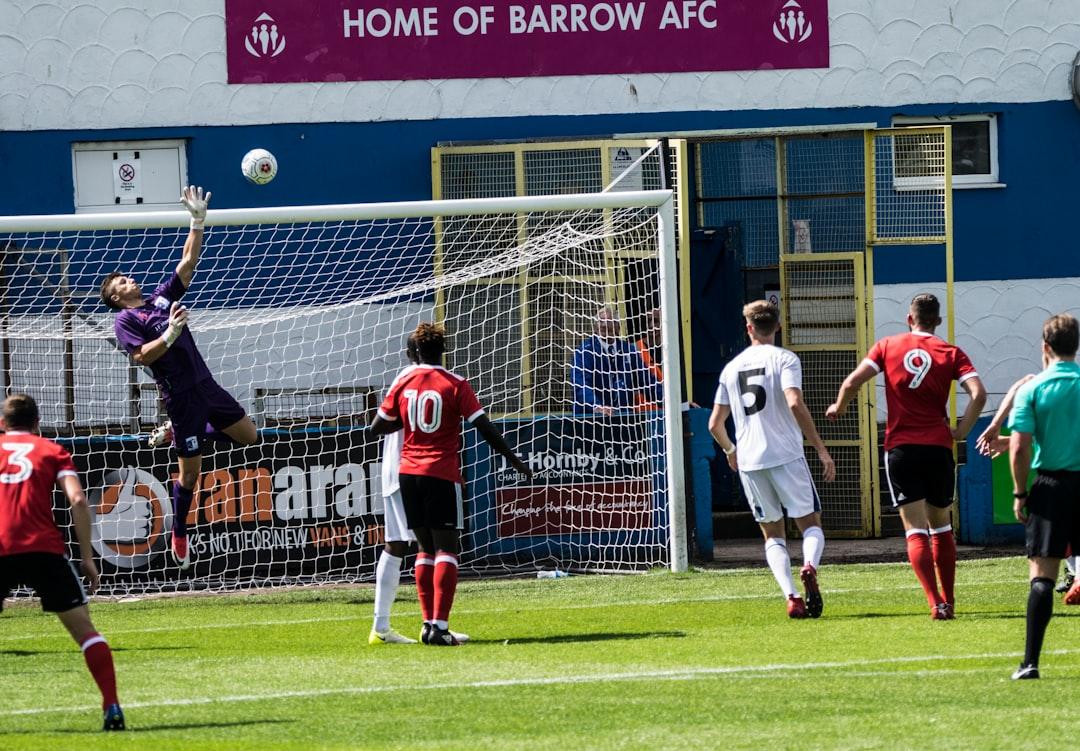
Football players in action on a pitch
Photo by Ian Higbee on Unsplash
When a striker is flagged offside, arms go up across the pitch — defenders appealing, attackers protesting. Why do soccer players raise their hands for offside? It is a referee-appeal instinct, not a formal rule.
TL;DR: Players raise their hands to urge the referee to blow (or not blow) for offside — an automatic signal, not a decision.
What the signal means
Under Law 11 of the IFAB Laws of the Game, a player is offside if any part of the head, body or feet is nearer to the opponents' goal line than both the ball and the second-last opponent. Hands and arms do not count — only head, body and feet.
The assistant's flag
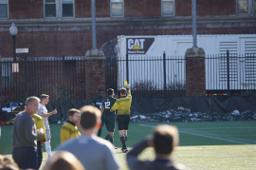
The assistant referee signals the offence by raising a flag. Pointing up means offside; the flag angle shows whether it was near, middle or far side. The referee confirms and awards an indirect free kick to the defending team.
Why defenders raise their arms
Defenders hold up a hand for two practical reasons:
- To appeal: They believe the attacker was offside when the ball was last played, so play should stop.
- To manage play: A raised arm invites the flag, letting teammates relax and halting a dangerous through-ball.
It is a risk — if no flag comes, the defender is left stranded. As Wikipedia notes, a player can even be called offside without touching the ball if they interfere with an opponent.
Why attackers protest
Forwards raise their hands to argue they were level or that the pass never went their way. With VAR reviewing tight calls, those quick appeals can reach officials before play restarts.
Frequently Asked Questions
Do hands count for offside?
No. Under Law 11, only the head, body and feet are measured. Hands and arms are excluded.
Can you be offside without touching the ball?
Yes — if you interfere with an opponent or clearly attempt to play a nearby ball, the referee can call it.
What signal does the referee use?
The assistant raises the flag, the referee blows the whistle and awards the indirect free kick.
Related News