Why Do Referees Let Play Continue After a Foul?
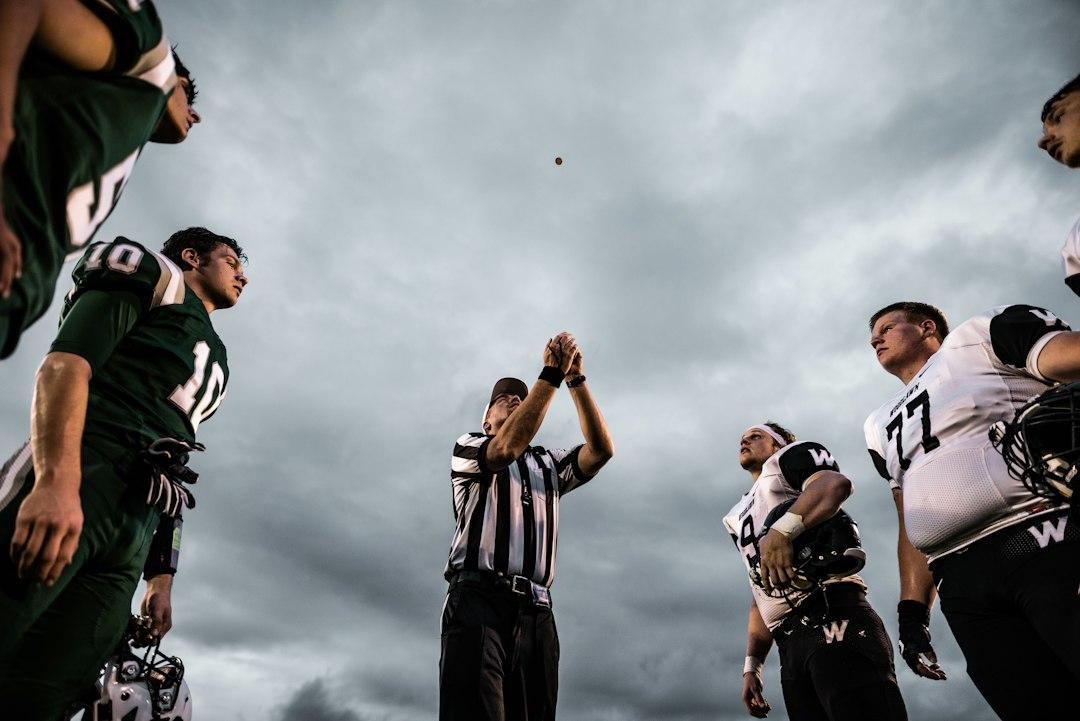
A referee in position during a football match
Photo by Andy Henderson on Unsplash
A defender clatters into your striker, the crowd screams for a free kick — and the referee waves play on. It happens every matchday, and it's one of the most misunderstood calls in football. The reason referees let play continue after a foul is the advantage rule, a deliberate part of the Laws of the Game designed to punish offenders without robbing the victims of a promising attack.
TL;DR: Referees allow play to continue after a foul when the fouled team keeps a better attacking position — that's the advantage rule.
What the Advantage Rule Actually Says
The IFAB Laws of the Game, Law 5, gives the referee the power to "allow play to continue when an offence occurs... and the opposing team will benefit from the advantage." In plain English: if stopping the game would hurt the team that was fouled, the referee keeps it flowing.
When the Advantage Is Signalled
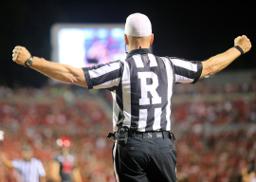
- The referee extends both arms forward and shouts "play on."
- No free kick is given if the attacking move keeps developing.
- The advantage is judged to last only a "few seconds" — if it fizzles out quickly, the original foul can still be penalised.
Why It Makes Football Better
Without the advantage rule, a cynical defender could stop a counter-attack by hacking down a player and accepting a free kick 40 yards from goal. The rule rewards the fouled team's momentum instead of the offender's cheating.
It's most common in the attacking third. Picture a winger breaking clear when he's clipped from behind — if the ball runs to a teammate in space, the referee lets it go, because a free kick would let the defence reset.
The Disciplinary Twist
Here's the clever part: the referee can still book or send off the offender at the next stoppage. So a reckless challenge doesn't escape punishment just because the advantage was played.
Why Fans Get Frustrated
Advantage calls are subjective. Referees judge in a split second whether the attack will genuinely benefit, and fans of the fouled team often disagree when a move breaks down seconds later. That grey area is a regular talking point — and exactly the kind of call fans love to argue about.
Related News