Why Are Champions League Matches Played at Night?
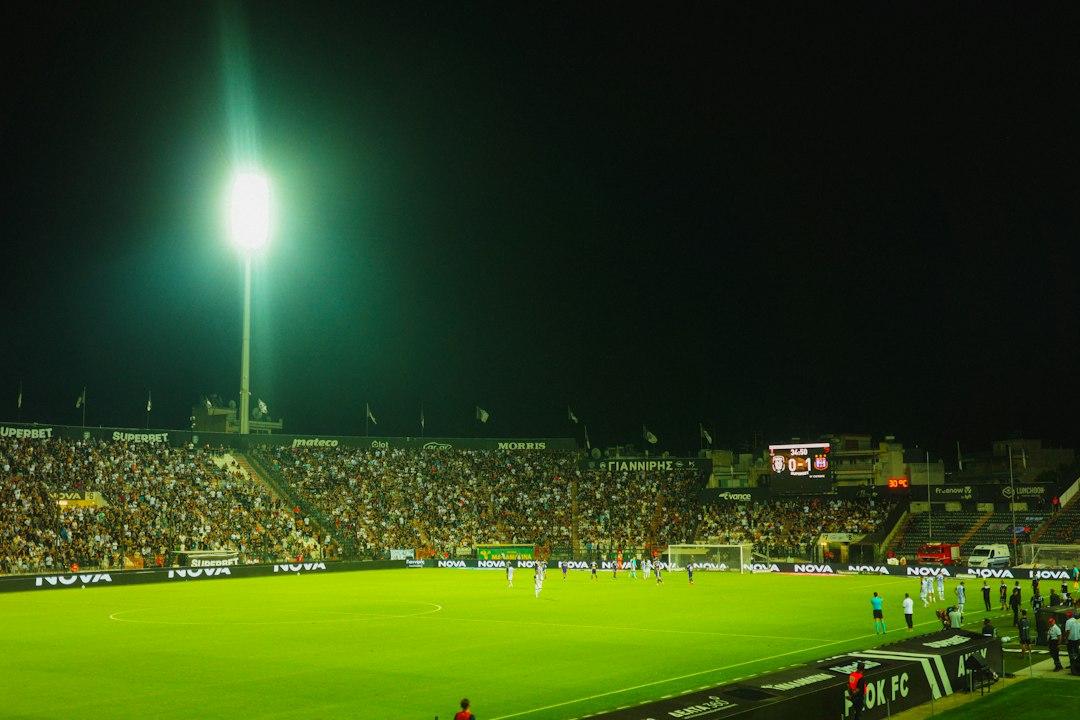
A soccer match at night in a stadium with bright floodlights and spectators
Teo Zac on Unsplash
Ever wondered why Champions League matches are played at night? Those floodlit 8pm kick-offs are no accident — they are the result of television money, global audiences and player welfare all pulling in the same direction.
TL;DR: Champions League matches kick off at night so UEFA can sell one giant prime-time TV slot, fill stadiums after work, and let players recover in cooler conditions.
The Broadcasting Empire
The Champions League is the most-watched club competition in the world, per UEFA. A single night-time slot lets broadcasters across Europe — and fans in Asia and the Americas — tune in at a convenient hour. Playing at 20:00 or 21:00 local time serves the largest possible audience in one window, which is exactly what sells the competition's huge TV rights packages.
One Window, Many Markets
- Europe: evening kick-offs land after the working day.
- Asia: matches fall in the early morning, perfect for breakfast viewing.
- Americas: late-afternoon slots catch fans before their own evening.
Stadiums, Sponsors and Atmosphere
Night games also fill seats. Fans finish work and travel to the ground, and the dark backdrop makes the pitch and the sponsor boards pop under floodlights. That visual drama is central to the competition's brand.
Historically, domestic leagues played Saturday afternoons, but the European Cup was built for midweek evenings — a rhythm UEFA has kept since the competition began in 1955. Real Madrid, the record 15-time winners, and current champions Paris Saint-Germain have both built their modern legacy under those lights.
Player Welfare and Conditions
There is a sporting reason, too. Midweek scheduling protects weekend league fixtures, and cooler night temperatures are kinder on players who cover up to 11km per game. Evening kick-offs also give squads more recovery time after domestic matches.
The Fan Verdict
Some supporters in far-flung time zones grumble about 3am alarms, but the night-time kick-off is here to stay — it is baked into the money, the atmosphere and the calendar of European football.
Related News