Why Do Assistant Referees Delay Offside Flags?
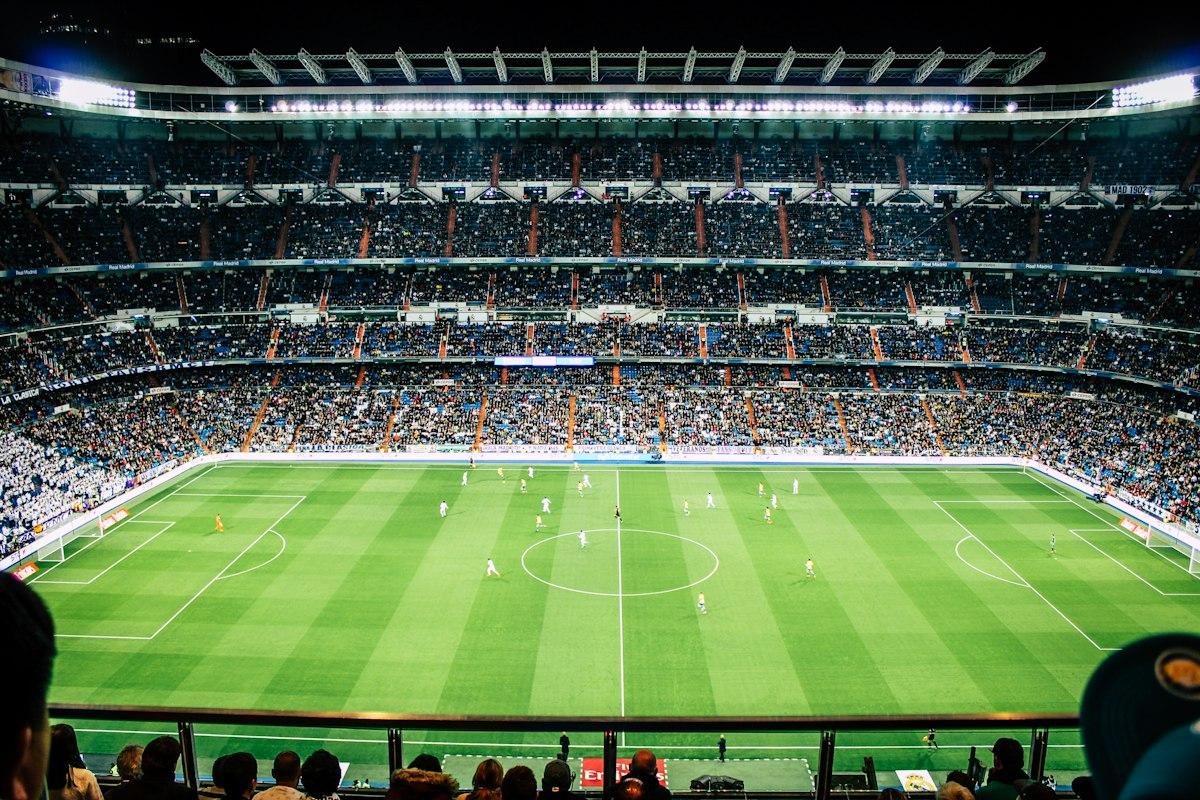
A professional stadium pitch under the lights
Thomas Serer on Unsplash
You see a striker clearly a yard offside, yet the assistant referee keeps the flag down and lets play roll on. Why do assistant referees delay offside flags instead of raising them instantly? The answer is one of the smartest safety nets in the modern game.
TL;DR: Assistant referees wait before flagging so that a promising attack can finish first — protecting goals that would otherwise be wrongly wiped out by a tight, mistaken call.
How the Delayed Flag Works
The rule is simple in practice. If an attacker is clearly, obviously offside, the assistant flags immediately. But when the call is tight — a shoulder, a heel, a fraction of a knee — the assistant holds the flag until the attack reaches a natural stopping point: a goal, a save, a clearance, or the ball going out.
Why Officials Wait
The logic is about protecting the game's biggest moments:
- Goals are precious. A wrong early flag kills a legitimate goal with no way back.
- Play can be reviewed. Once the move ends, VAR can check the offside line precisely.
- Stoppages are cleaner. The assistant can raise the flag calmly once the phase is done.
This approach is recommended in the IFAB Laws of the Game, which set the standard for officials worldwide.
The VAR Era Changed Everything
Before video review, a delayed flag risked a needless injury or a chaotic restart. Since VAR arrived, the tolerance has grown. Assistants are now coached to keep the flag down for almost any borderline decision, because the technology will settle it.
What Fans Often Get Wrong
Supporters sometimes shout "that was offside!" the moment the flag stays down. In truth, the official is not missing the call — they are deliberately withholding it. The flag going up late is the system working as designed, not a mistake.
Why It Matters for the Game
The delayed flag keeps football fairer. It preserves attacking play, reduces the number of wrongly disallowed goals, and hands the final say to the most accurate tool available. It is a small pause that protects the sport's most important currency: goals.
Related News