Why Are Some Champions League Matches Played on Tuesdays?
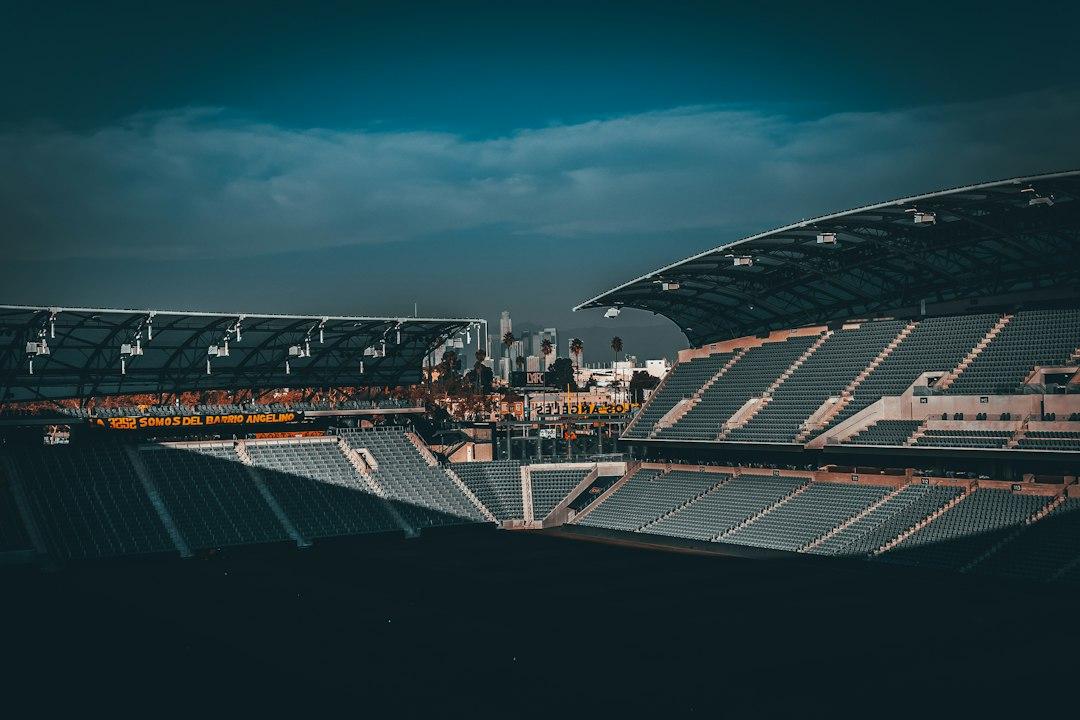
Stadium lights turned on during a night-time match
Marty O'Neill on Unsplash
Midweek Champions League football feels like a ritual, but have you ever stopped to ask why so many of those matches land on a Tuesday rather than a Wednesday? The answer sits at the crossroads of television, travel and fairness.
TL;DR: UEFA splits Champions League fixtures across multiple nights so broadcasters can air more games and clubs get fair rest and travel time.
Historically the competition was played exclusively on Tuesdays and Wednesdays, with each matchday split roughly in half. UEFA assigns teams to a night, and the pattern rotates through the league phase so no club is permanently stuck with the shorter rest.
The Broadcasting Reason
The Champions League is one of the most-watched football competitions on the planet. Spreading fixtures over two — and now three — nights means more live windows for broadcast partners and more advertising revenue.
- Tuesday and Wednesday nights give fans a midweek football fix
- Staggered kick-off times stop matches clashing with each other
- More nights mean more televised games, boosting UEFA's commercial value
It's a straightforward trade: the competition earns more, and fans get more football to watch.
Format Changes and Thursday Nights
Since the 2024–25 season the tournament uses a single 36-team league phase. Each club plays eight matches — four at home, four away — instead of the old home-and-away group stage. That expansion pushed some fixtures onto Thursday nights, blurring the line with the Europa League.
Travel, Rest and Fairness
UEFA also factors in geography. Clubs travelling long distances, or playing a domestic league game on the following weekend, are given scheduling consideration where possible. Rotating the nights aims to prevent any side being handed a permanent advantage.
What This Means for Fans
For supporters, the practical upshot is simple: check the fixture list carefully, because your club might play on Tuesday one week and Wednesday the next. Away trips in particular demand planning around those midweek slots.
The Bottom Line
Champions League matches land on Tuesdays because UEFA, broadcasters and clubs balance money, logistics and fairness. It isn't glamour alone — it's scheduling strategy.
Want to debate the fixtures, moan about kick-off times, or celebrate a famous European night with other fans? Join the conversation on — the social network built for football fans.
Related News