What Is Counter Pressing in Football? Tactics Explained
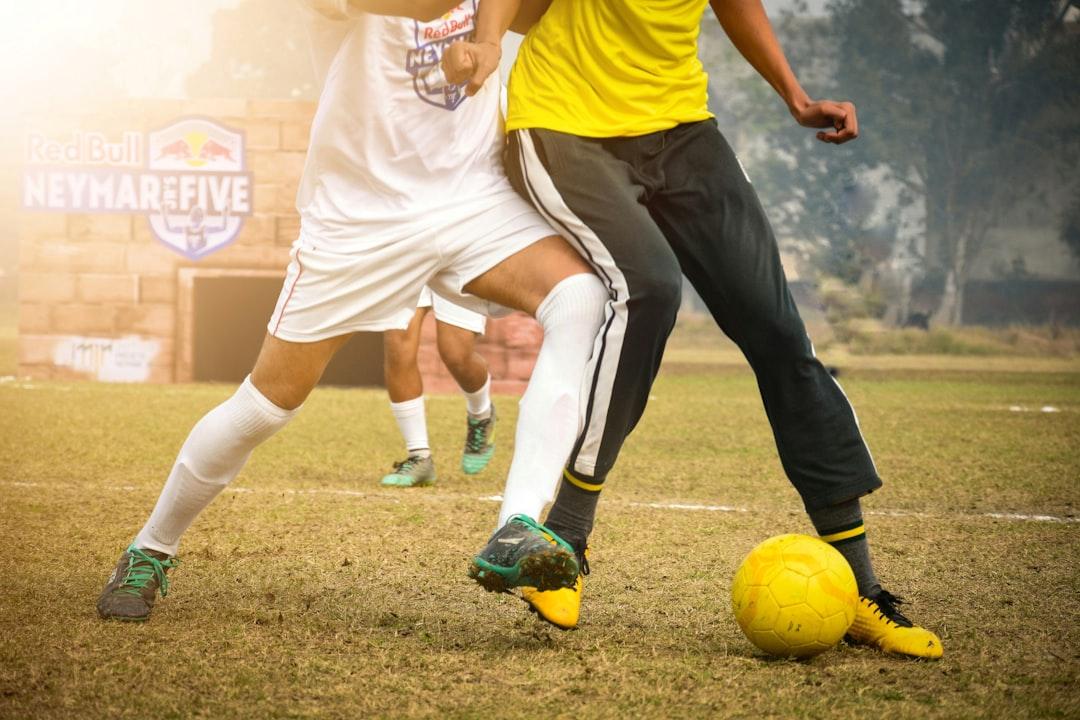
A footballer driving forward under pressure on the pitch
Photo by Maninder Sidhu on Unsplash
Losing the ball used to mean dropping into shape. Today, the best teams treat it as a trigger. Counter pressing in football is the art of hunting the ball back immediately after losing it.
TL;DR: Counter pressing means pressing the opponent instantly after losing possession, while they are still disorganised, to win the ball back high up the pitch.
What Is Counter Pressing?
Counter pressing - often called gegenpressing, from the German gegen (against) - is a coordinated reaction to losing the ball. Instead of retreating, the nearest players swarm the new ball carrier from several angles.
The logic is simple: your opponent has just won the ball, so their players are spread out. It is the worst moment for them to keep it.
Why Timing Matters
Coaches commonly talk about a short window - around five to six seconds - to win the ball back. Miss it and the smart move is to drop into a compact block rather than chase the game.
How Teams Press as a Unit
Counter pressing is never one player's job.
- The nearest presser closes the ball carrier quickly to deny time.
- Supporting players cut passing lanes to the obvious exits.
- The rest of the team pushes up, compressing space so there is nowhere safe to pass.
That collective squeeze separates pressing from simply running at people. Jurgen Klopp's Liverpool sides made it famous, while Pep Guardiola built it into his positional game at Manchester City.
The Benefits and the Risk
Win the ball back high and you attack a defence still shuffling into position. That is why it creates so many instant chances.
It also offers control. As UEFA analysis often notes, keeping the ball in the opponent's half means they cannot hurt you.
But there is a price. Press high and you leave space in behind, so you need fast defenders, relentless fitness and discipline. One mistimed jump and a good passing team plays straight through you.
Where Fans See It Most
Related News