What Is an Overlapping Fullback in Football?
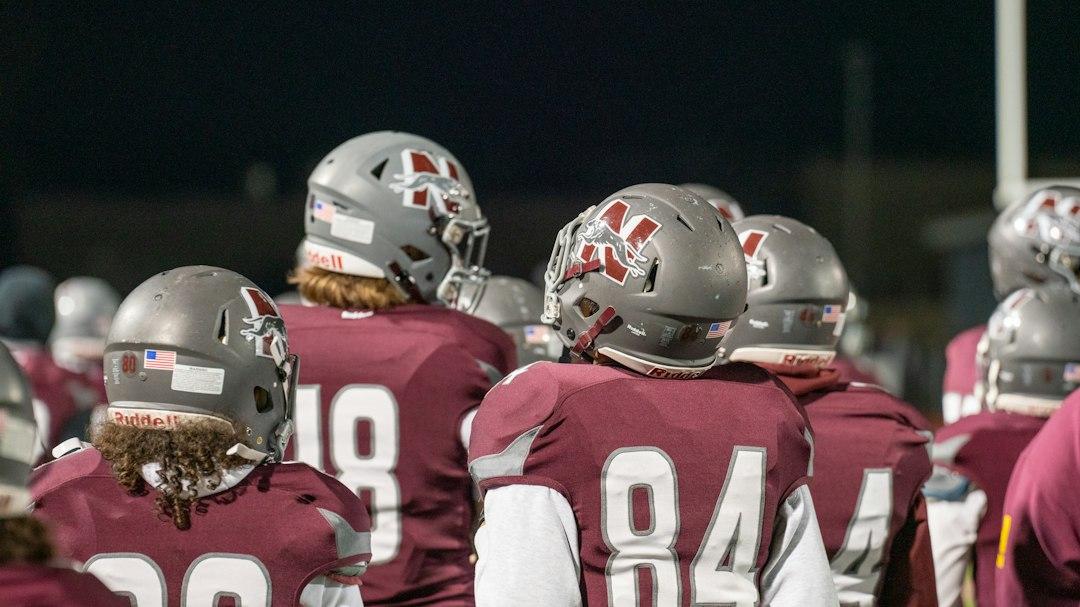
A group of football players standing together on the pitch
Martin Podsiad on Unsplash
Watch any top team and you'll see a fullback sprint past their winger on the outside — that's an overlapping fullback, one of football's oldest and most effective attacking weapons.
TL;DR: An overlapping fullback runs beyond their winger on the outside to create a 2v1, drag defenders wide and deliver crosses from the byline.
What an Overlap Actually Is
An overlap happens when the fullback advances past the winger ahead of them, attacking the space on the outside of the pitch rather than cutting inside. The winger holds the ball or drifts infield, the defender is forced to choose, and the overlap creates a passing lane. The fullback then arrives near the byline in a position to cross or cut the ball back.
Crucially, the run is timed — go too early and the pass is offside or intercepted, go too late and the moment is gone.
Why Teams Love It
- Creates a 2v1 against a stranded fullback
- Stretches compact defensive blocks wide
- Pulls centre-backs out of position, opening space centrally
- Generates cut-back chances into the box
Trent Alexander-Arnold and Andrew Robertson turned this into an art form at Liverpool, while Alphonso Davies and Achraf Hakimi show the modern, athletic version of the role.
Overlapping vs Underlapping
Don't confuse it with an underlapping run, where a player moves inside the winger into the half space. An overlap attacks the outside and usually ends in a cross; an underlap attacks the inside and suits through balls and shots. Many fullbacks use both to keep defenders guessing.
The Risk
Sending a fullback forward leaves space behind. Opponents who win the ball can counter into that channel, so teams often ask a defensive midfielder to cover — the classic "rest defence" balance.
Overlaps are also physically brutal, demanding repeated 40-metre sprints, which is why modern managers rotate fullbacks and favour players with elite stamina.
Want to debate the best attacking fullback of all time? Join the conversation on Sportigon — the social network built for football fans, and check our guide to the inverted fullback for the opposite trend.
Related News