What Happens If the Ball Bursts During a Soccer Match
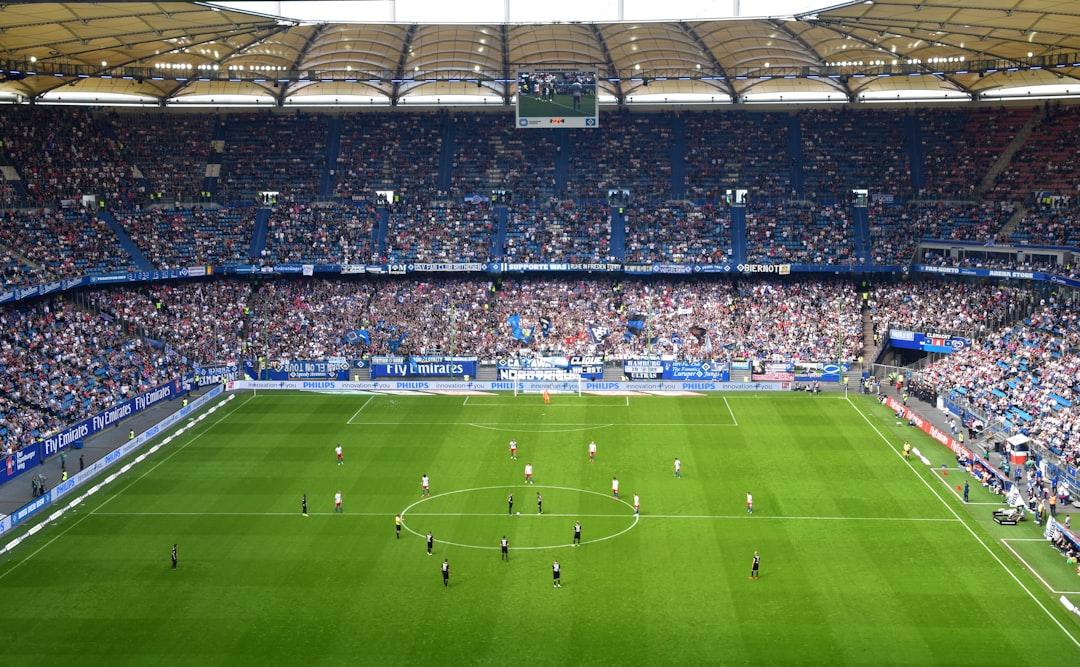
Fans inside a soccer stadium watching a match
Waldemar Brandt on Unsplash
Imagine a striker winding up to smash a shot and the ball deflates with a hiss mid-kick. It sounds far-fetched, but a burst or defective ball during a soccer match is an official event with its own law. Here's exactly what happens.
TL;DR: Play stops immediately and restarts with a dropped ball where the ball went defective — unless it happens during a penalty, which is retaken.
Play Stops and the Ball Is Dropped
Under Law 2 of the IFAB Laws of the Game, if the ball bursts or becomes defective while in play, the referee stops the match. The replacement is dropped where the original went faulty, and both teams compete for it like a dropped ball. No team gains or loses ground — it is a neutral way to resume play.
A goal cannot stand if the ball bursts or goes dead before fully crossing the line.
When the Ball Is Not in Play
If the ball pops during a throw-in, corner, free kick, or goal kick, there is no dropped ball. The restart is simply retaken with the new ball from the same spot.
The Penalty-Kick Exception
There is one notable special case. If a penalty is being taken during the match and the ball bursts as it travels forward — before touching a player, the crossbar, or the goalposts — the kick is retaken. This protects the taker, who did everything right but was robbed by equipment failure.
What Qualifies as a Burst Ball?
A ball counts as defective if it is burst, punctured, or has lost significant pressure. The Laws of the Game require balls to be spherical, 68–70 cm in circumference, and weigh 410–450 g — every replacement must meet the same standard.
Why It's Rare in the Modern Game
Top-flight balls are tested rigorously, but bursts still happen, especially on wet pitches or after heavy strikes. When they do, officials replace the ball within seconds — quietly enforcing a law most supporters never learn.
Want to debate football rules with other fans in real time? Join the conversation on — the social network built for football fans like you.
Related News