What Does Template Team Mean in FPL? A Simple Guide
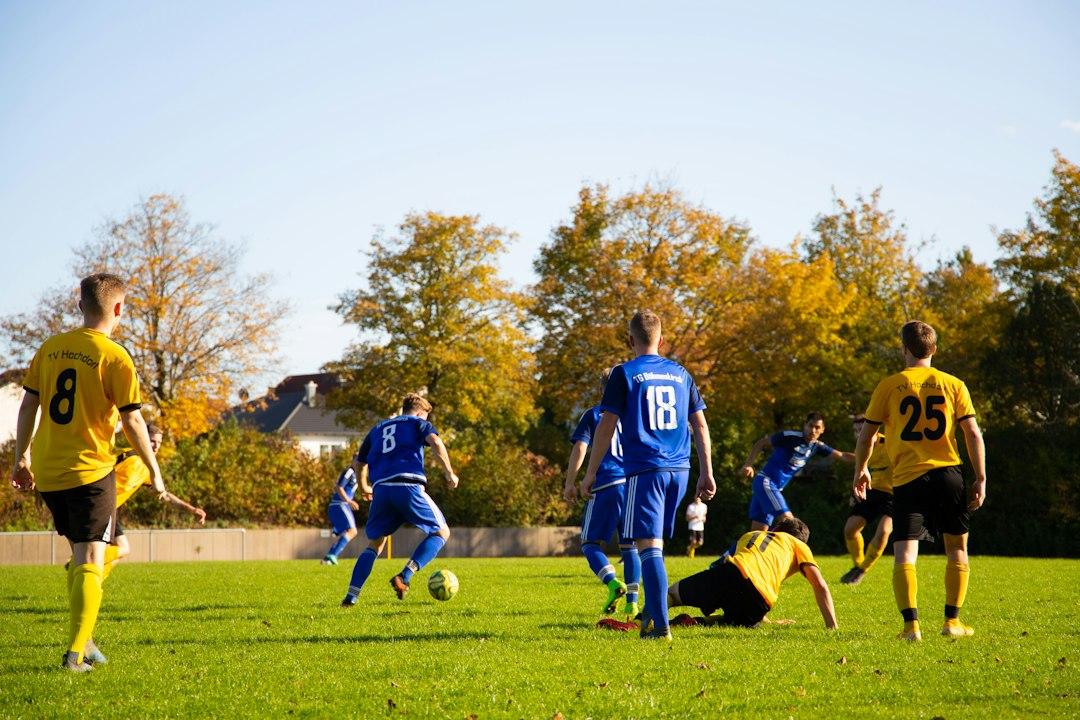
Men playing soccer under stadium lights
Photo by Marcel Strauß on Unsplash
Scroll through your mini-league and you'll notice something odd: half the managers own almost the same eleven players. That's a template team in FPL, and understanding it is one of the fastest ways to climb your rankings.
TL;DR: A template team is the group of widely-owned, high-performing Fantasy Premier League players that most managers pick, making your team look like everyone else's.
What Exactly Is an FPL Template Team?
In Fantasy Premier League, every player has an ownership percentage — the share of all managers who own them. When a handful of players become near-universal picks, they form the template.
Template players usually share a few traits:
- Consistent, high points-per-match returns
- Favourable fixtures
- Reliable minutes when fit
- Affordable prices that fit most budgets
When a player like a premium striker hauls three weeks running, his ownership spikes, and suddenly he is the template. The official FPL site tracks ownership on every player's profile.
Why the Template Matters for Your Rank
Owning template players is a safety net. If Kane hauls and 70% of managers own him, you keep pace with the crowd. Miss out, and you fall behind immediately.
The danger is the opposite: if you own only template players, you can never pull ahead — you'll just track the average. As Fantasy Football Scout regularly notes, template status protects rank but rarely improves it.
Playing the Differentials
The cure is differentials — low-ownership players who can outscore the crowd. A smart FPL strategy blends both:
- Keep the reliable template core (goalkeeper, popular defenders, one premium captain)
- Sprinkle in one or two low-owned punts with great fixtures
- React fast when a template player's form or fixtures collapse
Timing and Risk
Templates shift constantly. An injury, a tough fixture run, or a red card can wipe out a player's ownership overnight. Being of that shift is where big green arrows come from.
Related News