Spain Win 2026 World Cup: Full Story of Their Triumph
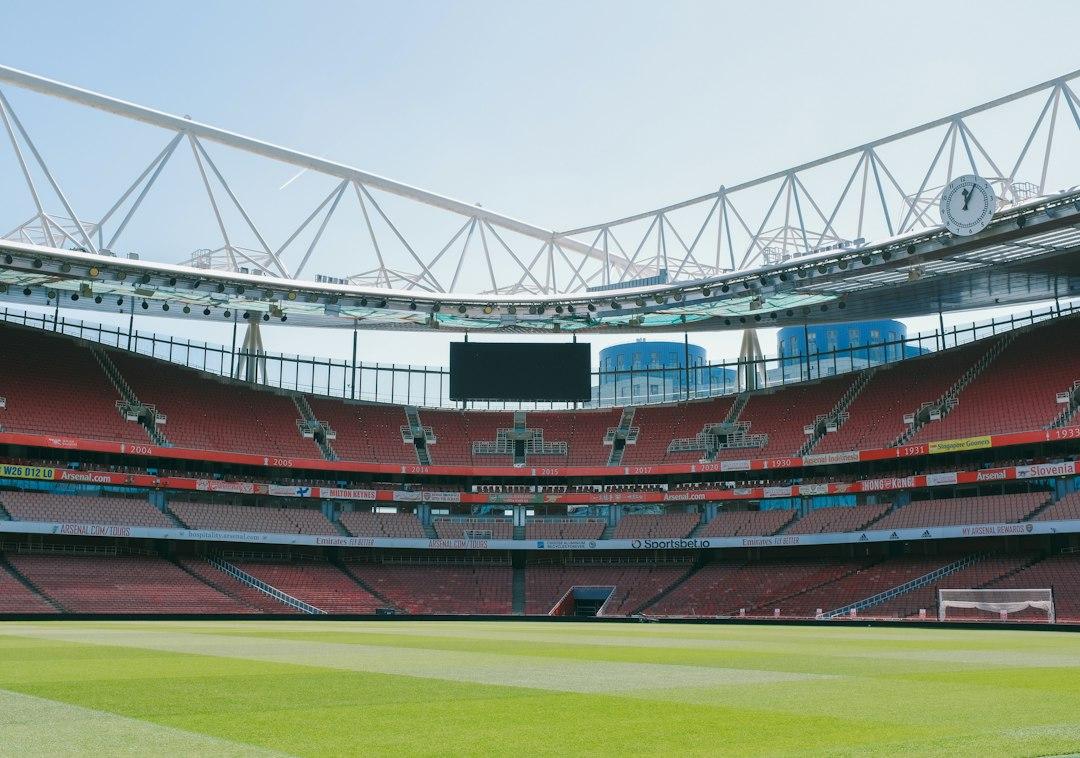
A large empty stadium with a green field
Photo by Huy Phan on Unsplash
Spain are world champions again. On July 19, 2026, La Roja beat defending champions Argentina 1-0 after extra time at MetLife Stadium in East Rutherford, New Jersey, to win the 2026 World Cup — their first title since 2010.
TL;DR: Spain won the 2026 World Cup by beating Argentina 1-0 in extra time, completing a dominant run through the knockout rounds.
It was a final decided by fine margins. Ferran Torres struck the only goal, and was named Man of the Match, while Slovenian referee Slavko Vinčić oversaw a tense, tactical contest in front of 80,663 fans.
How Spain Won the 2026 World Cup
Spain's path to glory was anything but easy. They topped Group H with two wins and a draw before navigating a brutal knockout bracket. The route ran through Austria in the round of 32, Portugal in the round of 16, Belgium in the quarterfinal, and France in the semifinal.
The Knockout Run
- Round of 32: Austria
- Round of 16: Portugal
- Quarterfinal: Belgium
- Semifinal: France
- Final: Argentina (1-0 AET)
That is a who's who of international football — a run that says as much about Spain's mentality as their talent.
The Players Behind the Trophy
Spain's triumph was built on the spine of a squad that blended experience with fearless youth. Midfielder Rodri was named the tournament's best player, Unai Simón took the Golden Glove as best goalkeeper, and teenage defender Pau Cubarsí was crowned young player of the tournament.
Kylian Mbappé finished as top scorer with 10 goals, but it was Spain's collective control — patient build-up play, aggressive pressing, and clinical finishing — that carried them to the summit. England beat France to take third place.
What the Win Means for Spanish Football
This is Spain's second World Cup title, adding to the 2010 triumph in South Africa. Combined with their Euro 2024 victory and Nations League success, it confirms Spain as the dominant force in international football.
For fans in Spain, the celebrations echoed 2010 all over again. For the rest of the world, a new debate begins: can anyone stop La Roja?
Want to debate the World Cup final with fans in real time? Join — the social network built for football fans.
Related News