Own Goal From a Free Kick: What Actually Happens
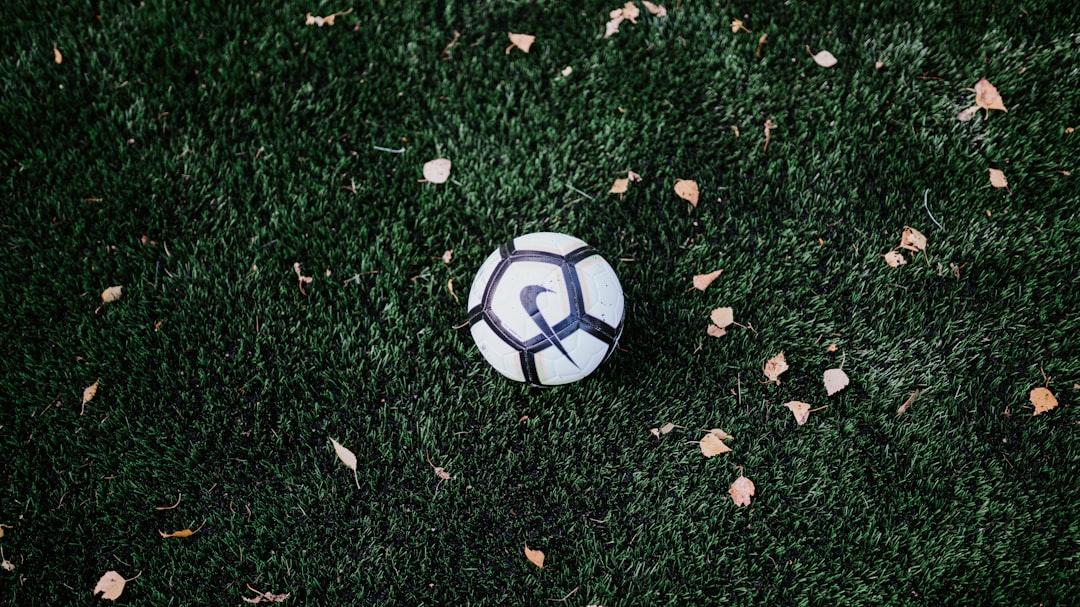
A football on the pitch before a free kick
Photo by Arseny Togulev on Unsplash
Scoring an own goal is bad enough. Do it directly from a free kick and you might fear the worst. But here's the surprise: a soccer own goal from a free kick never counts — the restart goes to the other team.
TL;DR: If the ball goes straight into the kicker's own goal from a free kick, it's not a goal. It's a corner kick for the opposing team.
The Rule That Saves You
Under Law 13 of the IFAB Laws of the Game, only the team taking a direct free kick can be awarded a goal, and only in the opponent's net. If the ball flies into the kicker's own goal without touching anyone, the referee disallows it and awards a corner kick to the opposition.
That's different from ordinary open play, where an own goal always counts. A free kick is treated specially so a lucky deflection can't punish the taker.
The Indirect Free Kick Twist
For an indirect free kick, the rule is stricter still. A goal only counts if the ball touches another player first, so an indirect free kick into your own net is also disallowed — again restarting with a corner kick.
Why It's So Rare
An own goal from a free kick is one of the rarest events in football. It needs a perfect storm:
- A free kick taken deep in your own half
- A mis-hit clearance that loops backward
- A goalkeeper out of position or wrong-footed
When it does happen, it's viral gold. Fans replay it endlessly, and even rival supporters feel a pang of sympathy.
Frequently Asked Questions
Does an own goal from a free kick count for the opponents?
No. The goal is disallowed and the opposing team gets a corner kick instead.
What if the free kick touches another player before going in?
Then it becomes a normal own goal. If the ball deflects off a teammate, it counts against the defending team.
Can you score a valid goal from your own free kick?
Only in the opponent's goal — that's how defenders score spectacular long-range free kicks. Your own net never counts.
Want to debate the craziest own goals with other fans in real time? Join the conversation on — the social network built for football fans like you.
Related News