What Happens on an Own Goal From a Free Kick?
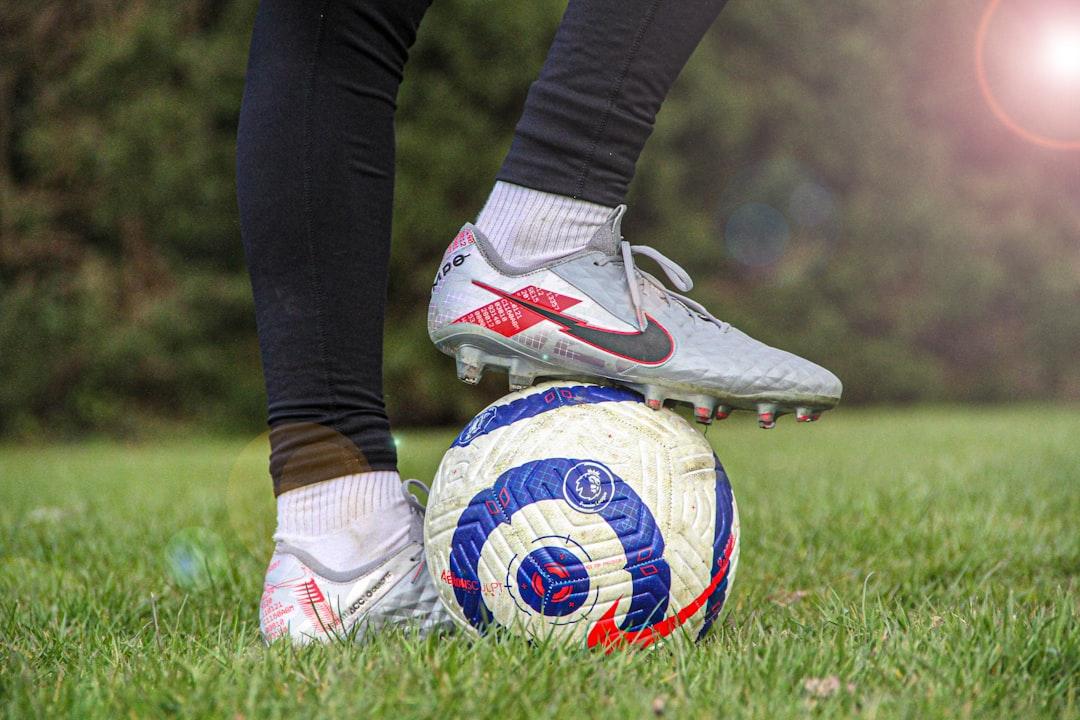
A football player in cleats on the pitch
Jonathan Ward on Unsplash
Imagine a curling free kick, a wild deflection, and the ball nestling in the wrong net. Surprise: that is not a goal in the books. The answer to what happens on an own goal from a free kick lies in the official soccer rules.
TL;DR: If a free kick is kicked directly into the team's own goal, the referee awards a corner kick to the opposing team, not a goal.
The Rule Under Law 13
Under the IFAB Laws of the Game (Law 13), the outcome depends on which goal the ball enters. Three clear scenarios apply:
- A direct free kick into the opponents' goal → goal awarded
- An indirect free kick into the opponents' goal → goal kick
- A direct or indirect free kick into the team's own goal → corner kick to the opposing team
Even though a defender put the ball into their own net, the attacking side gets no credit for a goal — play restarts with a corner.
Why Does the Own Goal Not Count?
The Law treats an own goal from a free kick as if the ball simply went out of play over the goal line. No score is recorded, and play restarts with a corner.
Direct vs Indirect Free Kick
- Direct free kick: The taker can score directly against the opponents.
- Indirect free kick: The ball must touch another player before a goal can count.
Both still end in a corner if kicked straight into the team's goal.
The Practical Takeaway
Own goals from free kicks are rare but not impossible, especially with a heavy deflection in a crowded box. Fans often expect a goal to be chalked up, but the restart is always a corner.
Frequently Asked Questions
Can an own goal be scored from a free kick?
Yes — a ball can go straight into a team's own goal, but under Law 13 it is never a goal.
What restart follows an own goal from a free kick?
A corner is awarded to the opposing team — the side that took the kick.
Related News