Own Goal From a Free Kick: The Rule Explained
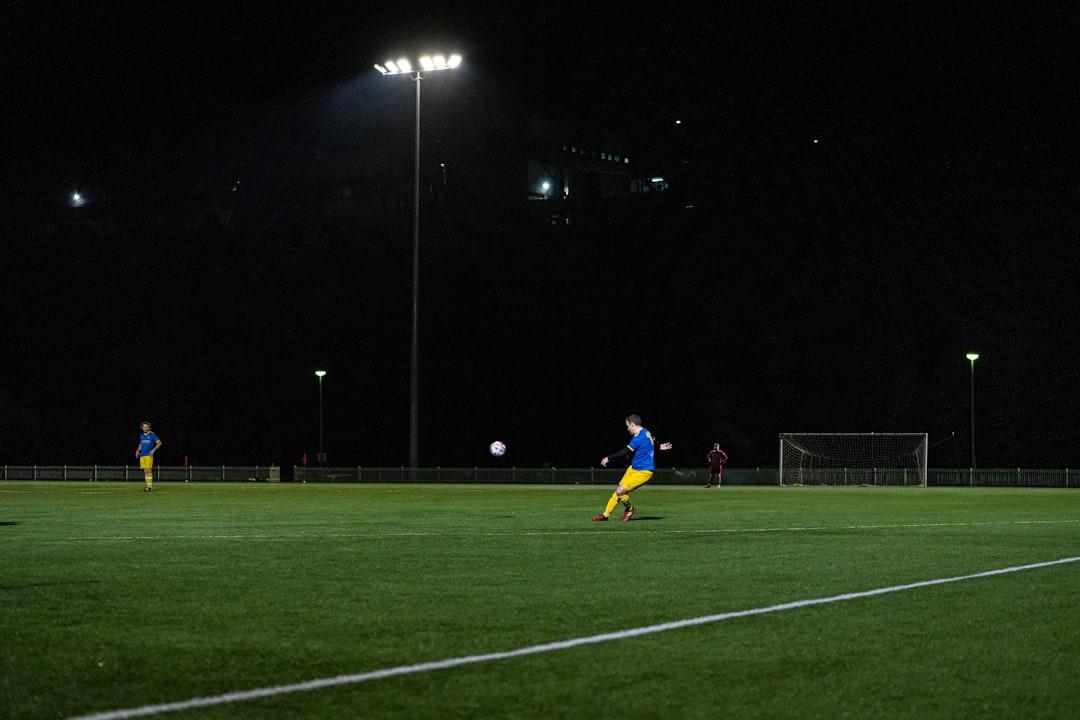
A soccer player striking a free kick at night
Photo by Chris Andrawes on Unsplash
Picture a defender misjudging a delivery back towards their own net and the ball flying past their stunned goalkeeper. Surely that is an own goal, right? Actually, no. Under the Laws of the Game, an own goal from a free kick cannot be counted directly — play restarts with a corner kick.
TL;DR: If a player knocks a free kick into their own goal without another player touching it, no goal is awarded. The opposing team gets a corner kick instead.
The Rule Explained
According to IFAB Law 13 (Free Kicks), when a direct or indirect free kick is kicked directly into the team's own goal, a corner kick is awarded to the opposition. Because the ball must touch another player first, an own goal from a free kick is simply not recognised.
Direct vs Indirect Free Kicks
- Direct free kick into the opponent's goal — goal awarded.
- Indirect free kick into the opponent's goal — goal kick for the defending team.
- Direct or indirect free kick into your own goal — corner kick for the opponents.
Why Must the Ball Touch Someone First?
A free kick is a restart, and the Laws state the ball must touch another player before a goal can be credited to the side taking the kick. The same principle protects kick-offs, goal kicks, throw-ins and corners — own goals cannot be scored directly from those either, as the rules on own goals confirm.
Can a Free Kick Become an Own Goal?
Yes — but only after the ball has touched another player. If a teammate deflects a free kick into his own net, or a clearance ricochets in, it counts as an own goal. The kicker must not be the scorer.
Why the Corner Award Makes Sense
Awarding a corner punishes nobody for a freak accident while still giving the attacking team a chance to score. So a defender can breathe again — header that free kick into your own net and the worst you concede is a corner, not a score.
Frequently Asked Questions
Is an own goal from a free kick counted?
Related News