Can You Score an Own Goal from a Free Kick? The Rule
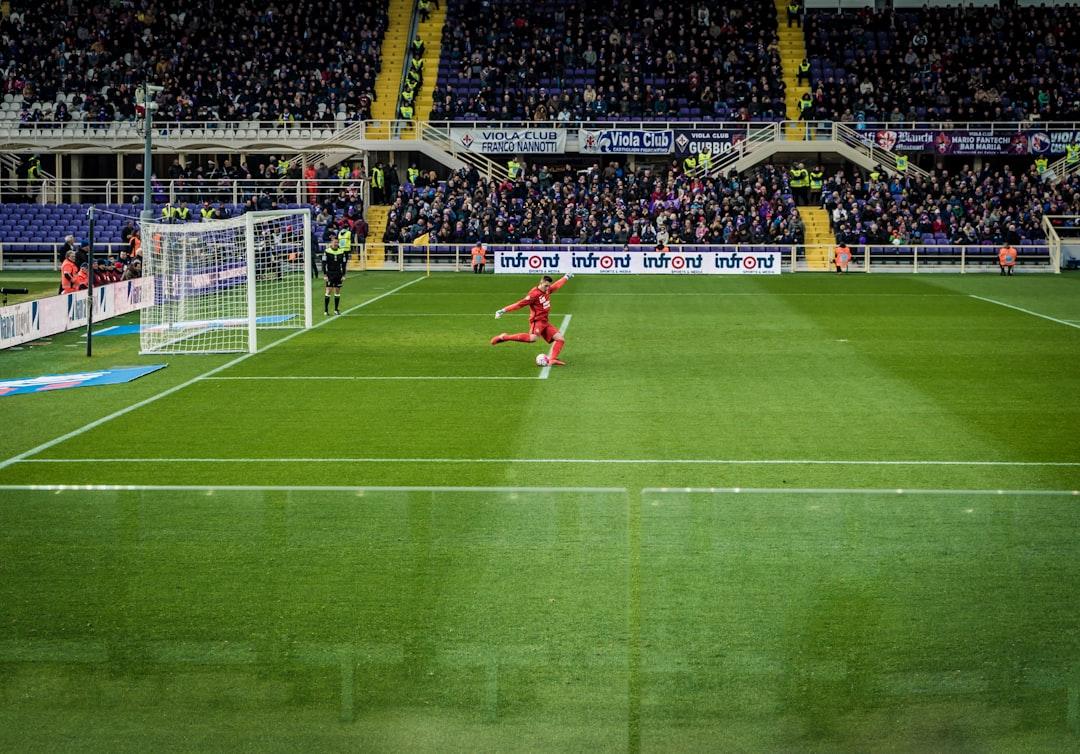
Players contesting a free kick near goal during a soccer match
Karsten Winegeart on Unsplash
A free kick swings into the box, a defender stretches, and the ball ends up in his own net. Surely that's a goal? Actually, no. Under the Laws of the Game, an own goal from a free kick does not count — the referee awards a corner kick to the attacking team instead. It's one of football's most misunderstood scenarios.
TL;DR: You cannot score an own goal directly from a free kick. It results in a corner kick to the attacking team.
The Official Rule
Law 13 of the IFAB Laws of the Game (the worldwide rulebook used by the FA and every confederation) is clear. When the ball enters the goal from a free kick:
- Direct or indirect free kick into the opponents' goal = a goal
- Direct or indirect free kick into the team's own goal = a corner kick to the opposition
Either way, no own goal is recorded. Both direct and indirect free kicks into your own goal produce the same result: a corner (FA Law 13 – Free Kicks).
Why the Rule Exists
The Laws protect defenders from being punished for a mishap on a restart. A free kick is an attacking weapon, so the defending side should not be handed an accidental goal. Instead, a corner keeps the pressure on.
How It Differs From Open Play
The rule applies only to the direct kick. If a teammate touches the ball before it crosses the line, the protection ends:
- A defender's header that goes in after a free kick can be an own goal
- A goalkeeper's touch into his own net can count
- A deflection off the kicker's team still allows an own goal
Only the ball flying straight from the free kick into the own goal results in a corner.
Frequently Asked Questions
Can a defender score an own goal from a direct free kick?
No. If the ball goes directly into a player's own goal from a free kick, the referee awards a corner, not a goal.
What if the goalkeeper touches it in?
Once a teammate touches the ball, it is no longer a direct free kick into the goal, so normal own-goal rules apply.
Related News