Interfering with Play in the Offside Rule, Explained
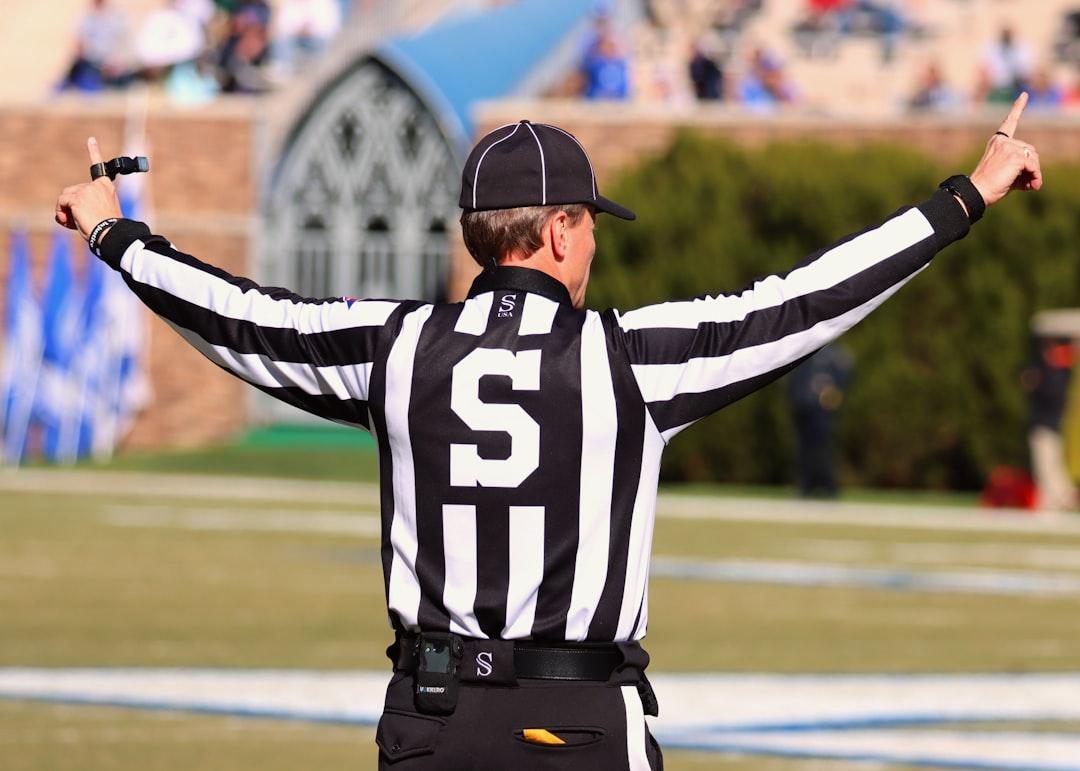
A referee officiating on the field
Gene Gallin on Unsplash
Every weekend a goal is ruled out and a striker throws their arms up, insisting they never touched the ball. More often than not, the real reason is interfering with play in the offside rule. In football, simply being in an offside position is not an offence — it only becomes one when that player gets involved in active play. Here is how the Laws of the Game actually define it.
TL;DR: An offside player commits an offence only if they interfere with play (touch the ball), interfere with an opponent, or gain an advantage from their position.
What the Rule Actually Says
Law 11 of the IFAB Laws of the Game is clear: a player in an offside position is penalised only when, at the moment the ball is played by a teammate, they become involved in active play in one of three ways.
The Three Tests
- Interfering with play — playing or touching the ball that a teammate passed or touched.
- Interfering with an opponent — preventing an opponent from playing or being able to play the ball. This includes clearly obstructing an opponent's line of vision or movement, or challenging them for the ball.
- Gaining an advantage — playing a ball that rebounds off the post, crossbar, or an opponent while in an offside position.
The Position Trap
You also cannot simply drift onside before contact. The offence is judged at the exact moment the teammate plays the ball, not when it arrives. That is why marginal offside calls, decided by centimetres, remain so controversial under VAR. Being offside and doing nothing is fine — the moment you influence the play or an opponent, the referee should stop the game.
Why Interpretation Is So Tricky
Managers and pundits love to argue that a forward merely "standing there" blocked the goalkeeper's view. Under the rules, that is interfering with an opponent: if a player in an offside position obstructs the keeper's line of vision as a shot comes in, the flag should go up even if they never touch the ball.
Related News