How Does World Cup Qualification Work? A Fan's Guide
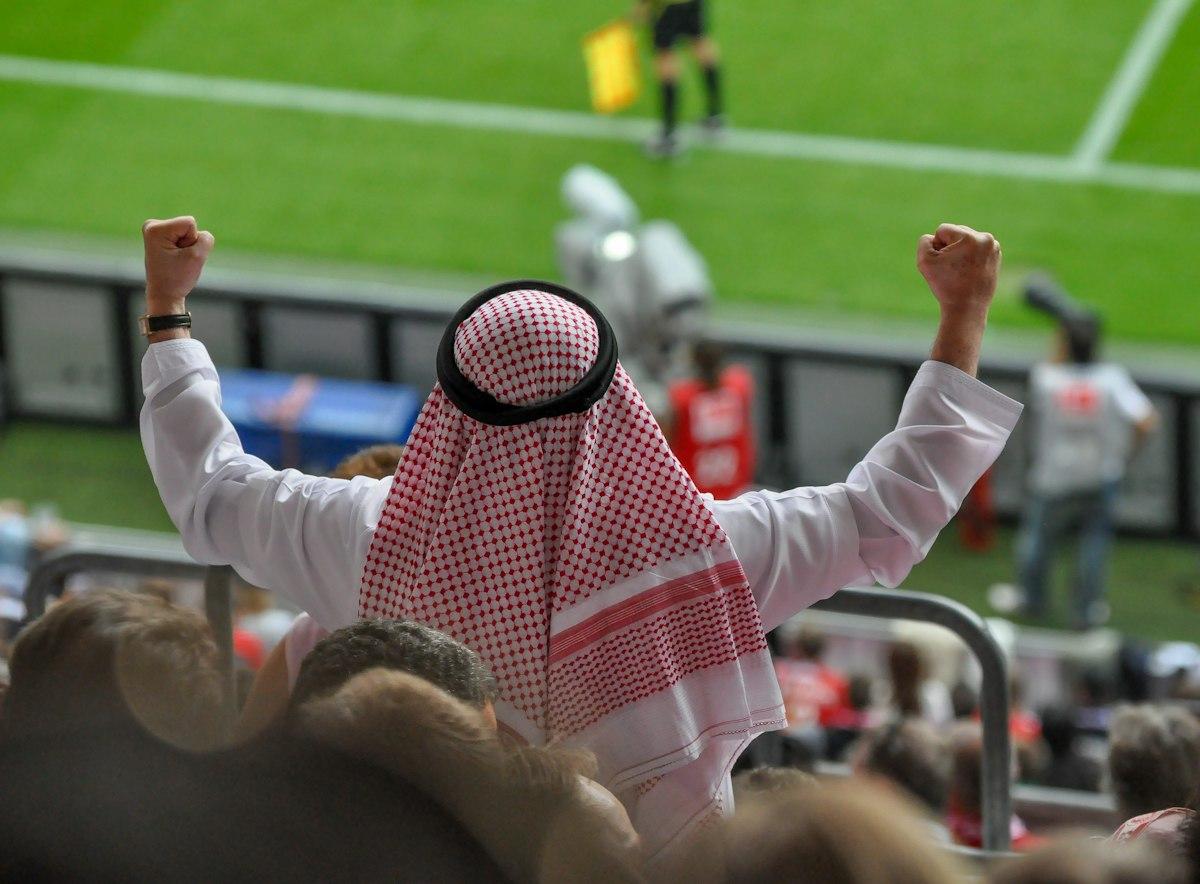
A fan cheering at a soccer game
Photo by Erik Esly on Unsplash
World Cup qualification is football's longest, most brutal marathon. More than 200 nations begin the journey, but only a few reach the promised land. TL;DR: Every country competes inside its own continental zone for a set number of World Cup slots, with a small play-off offering a final second chance.
The process is run by FIFA and split across six confederations: UEFA (Europe), CONMEBOL (South America), CAF (Africa), AFC (Asia), CONCACAF (North and Central America), and OFC (Oceania). Each confederation runs its own qualifying format and is handed a fixed number of places at the finals.
How the Six Confederations Work
The modern 48-team World Cup, first used in 2026, handed out 45 qualifying spots alongside three automatic places for the host nations. The breakdown looks like this:
- UEFA: 16 slots, earned through group stages and play-offs.
- CAF: 9 slots via group winners, plus a play-off.
- AFC: 8 slots through multi-round group campaigns.
- CONMEBOL: 6 slots from a single round-robin league.
- CONCACAF: 6 slots, with hosts pre-qualified.
- OFC: 1 guaranteed slot — a first for the region.
Each zone uses a mix of round-robin groups and knockout ties, so the exact route depends entirely on where a nation plays.
The Inter-Confederation Play-Off
A handful of teams that just miss automatic qualification are thrown into a global play-off. Six nations — one from each confederation except UEFA — battle for the last two tickets. It's the ultimate lifeline, and it has produced some of the drama's finest stories.
The 2026 cycle, which ran from September 2023 to March 2026, featured 206 teams and crowned first-time qualifiers like Curaçao, the smallest nation ever to reach a World Cup with a population of just 158,000, alongside Cape Verde, Jordan, and Uzbekistan.
Why Qualification Matters
Qualification isn't just about the finals. It's where football's giants and minnows share the same stage, where an upset in a qualifier can spark a national celebration. For fans, it's wall-to-wall football for over two years — and the perfect fuel for endless debate.
Related News